Embedded Files

Podbara
The Drowned of the Kanal
What the Kanal Keeps
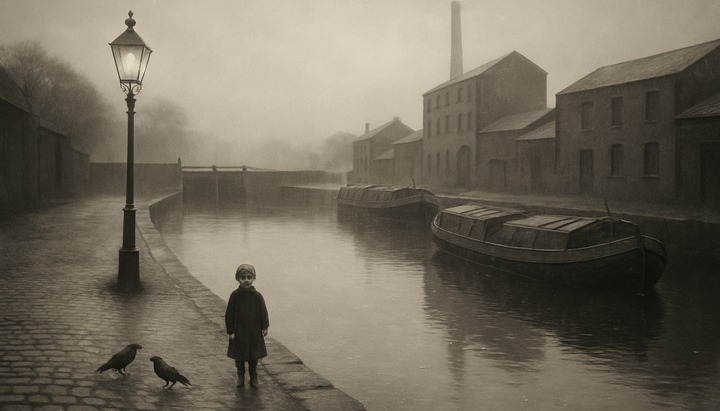
The Kanal was dug between 1871 and 1875, sixty-six kilometers of slow water from Stapar down to Neusatz, to shorten the boats' road and to water the fields of Bačka in dry summers. It was named first for an emperor, as the Franz Joseph Canal, and later for a king, as the King Alexander Canal. The town calls it the Kanal. Most of Neusatz lies between it and the Danube.
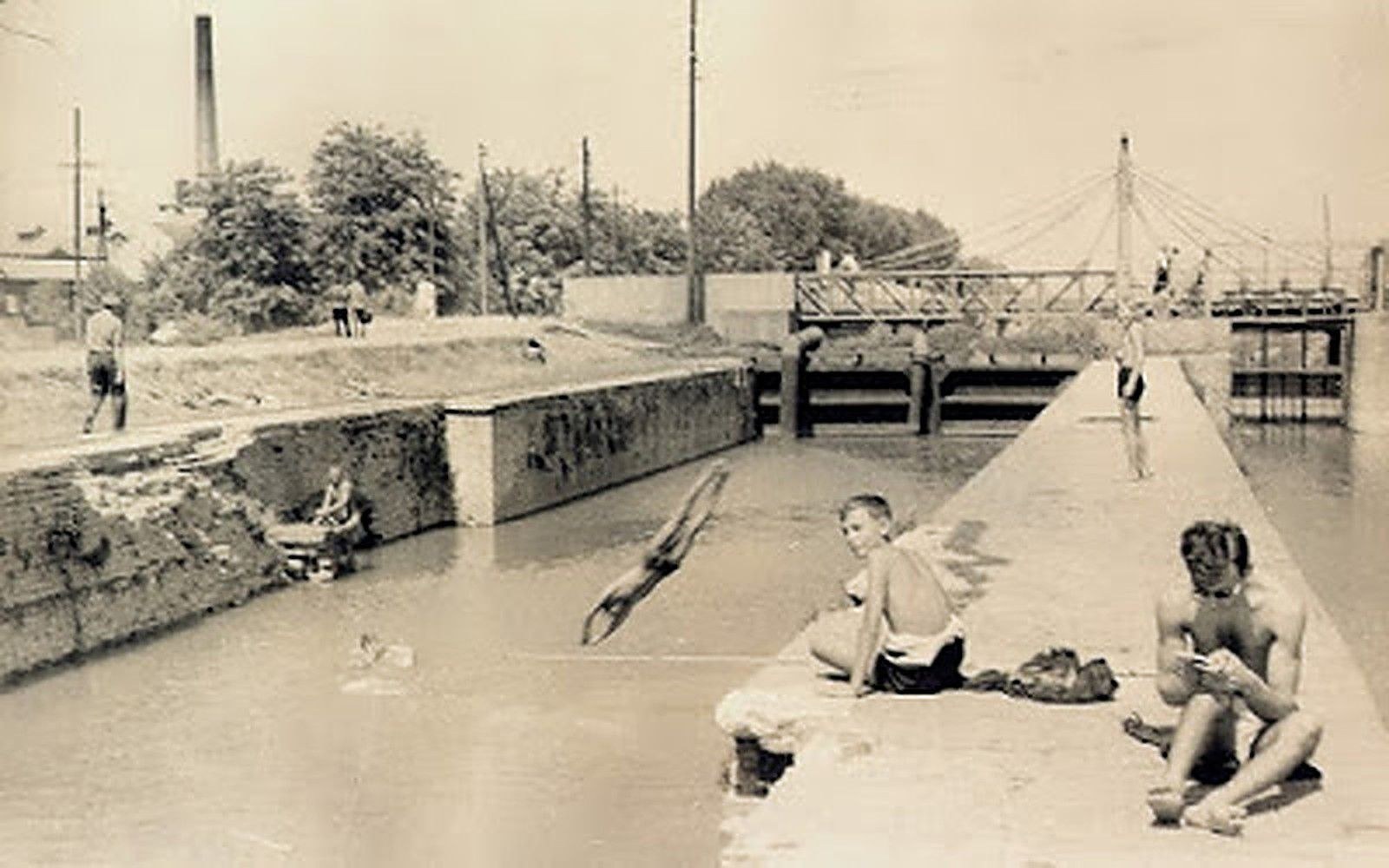
It changed the ground it crossed. In Podbara it drained the pond that gave the quarter its name, and the pond became pasture. Between 1957 and 1977 it was joined into the Danube-Tisa-Danube system. In a photograph from the 1950s a young man dives into the old lock chamber in Podbara, two boys sit on its coping with their clothes in a bundle, and a woman washes at the water's edge below the wall.
The Danube is wide and fast, and it carries its drowned downstream. The Kanal is narrow, straight and slow, and the story goes that it keeps what it takes. The town says people have walked out along its banks at dusk, to fish or to meet someone or to be alone, and never come back: no body at the lock gates, no coat on the bank, nothing left to bury.
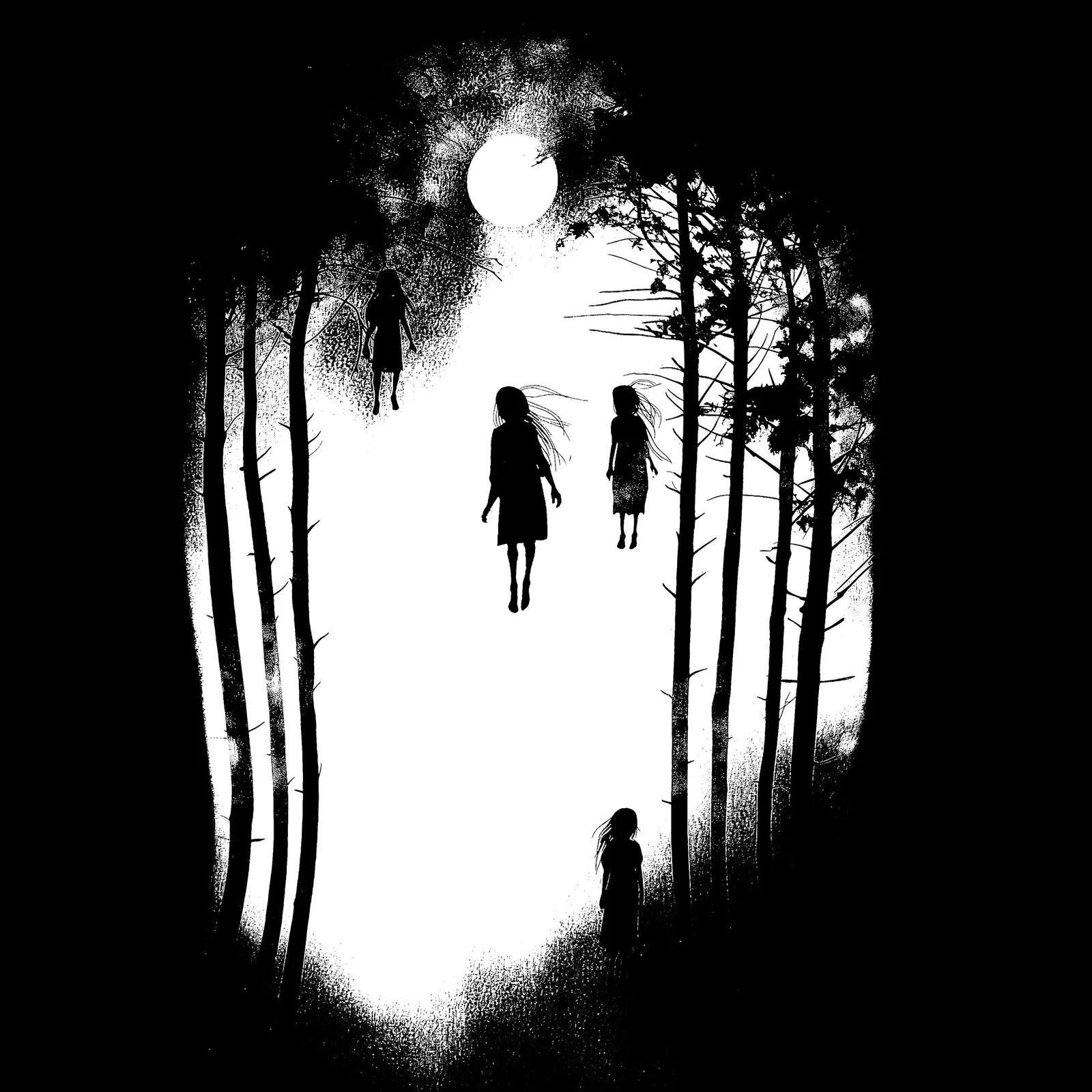
The best known of them are the sisters. The old women of Podbara say two girls went down to the Kanal one summer evening, hand in hand, and did not come home. Nobody agrees on the year or the family, and nobody asks. On still nights, they say, two girls stand on the far bank where the trees begin. Look straight at them and you see two poplars. Look away and they are girls again.
On Šodroš the Telep kids call the drowned of the Danube to drink with them. Nobody calls the drowned of the Kanal. If you cross the Kanal after dark and see two girls on the far bank, do not wave. They will wave back.
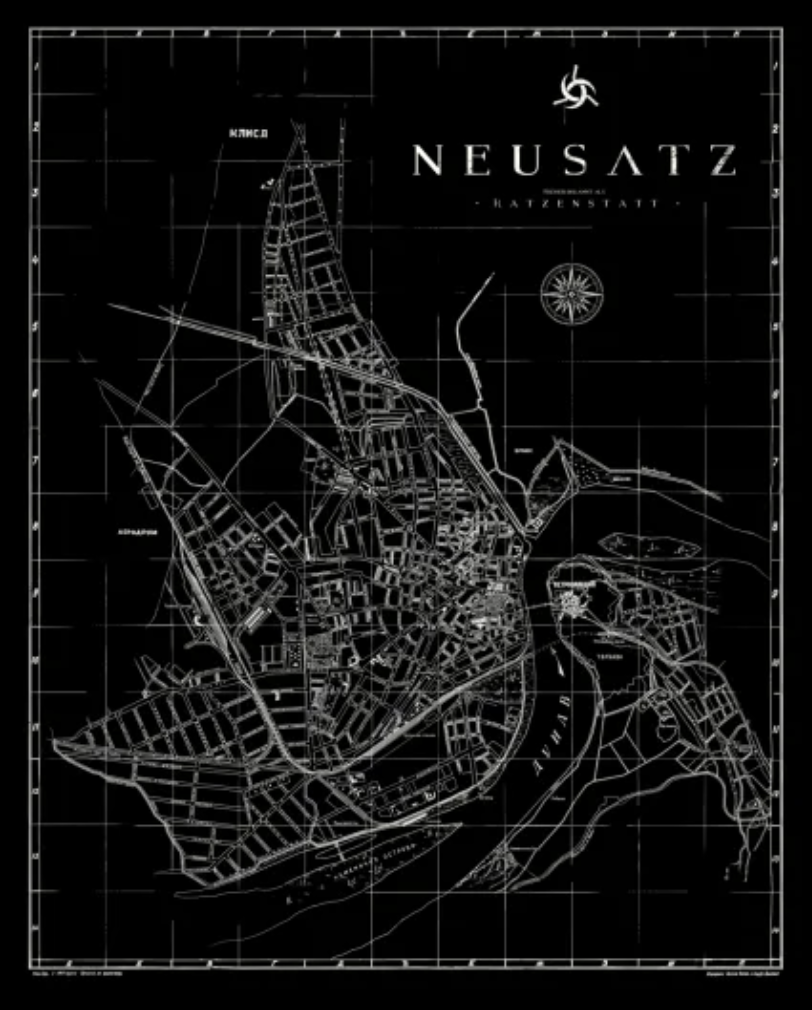

☩ Explore Neusatz ☩
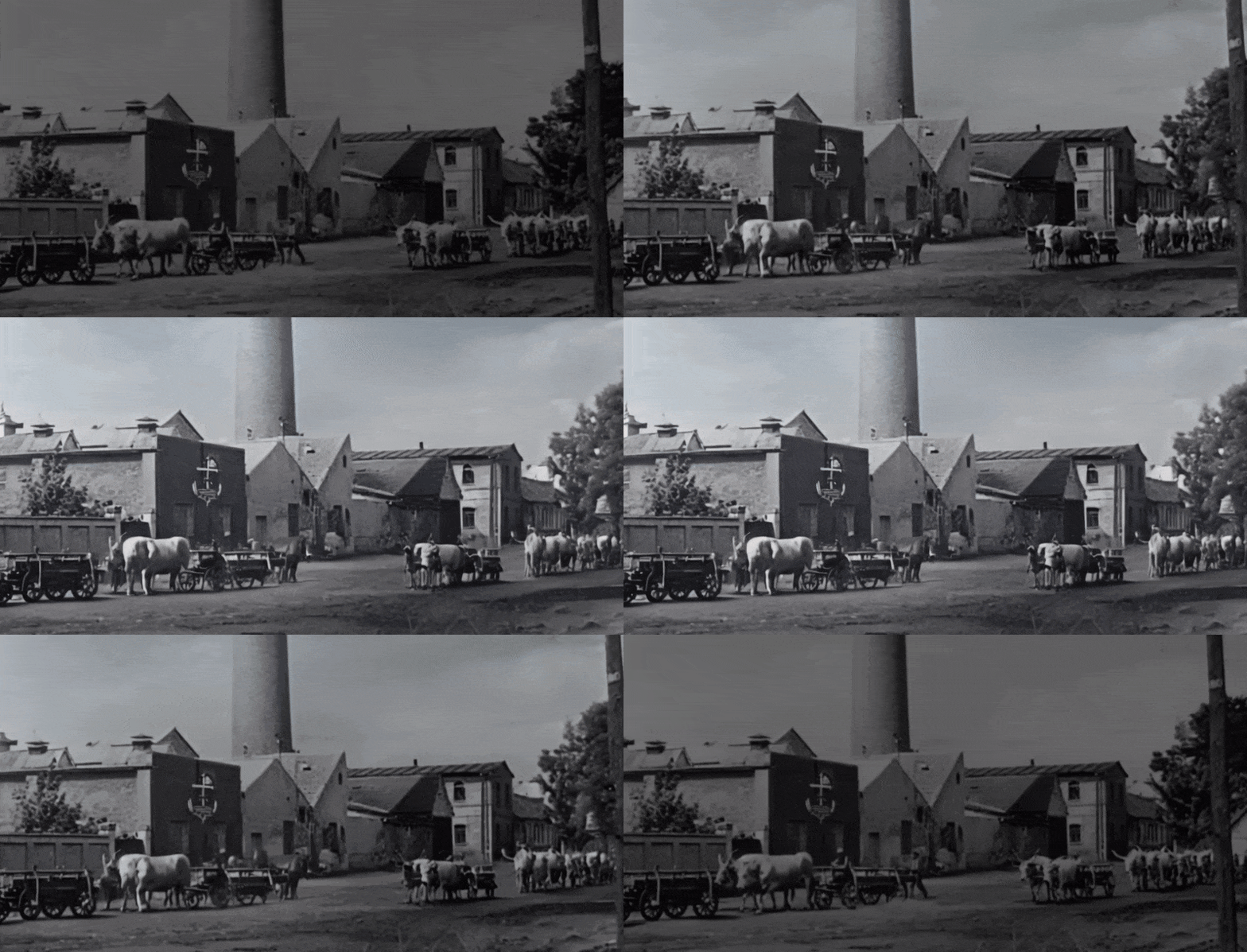 BoroughPodbaraPodbara, a Neusatz neighborhood with a three-century history, has transformed from a humble village to a vibrant district, facing and overcoming myriad challenges while honoring its rich heritage and fostering a resilient, united community that navigatively weaves through past and present, always looking forward to a promising future.
 LoreŠodrošSchodrosh, a mystical stretch along the Danube, transitions from a frosty winter playground to a vibrant summer oasis, hosting generations of Novi Sad's youth in rites of passage while whispering tales of spectral depths and enchanted icy misadventures.
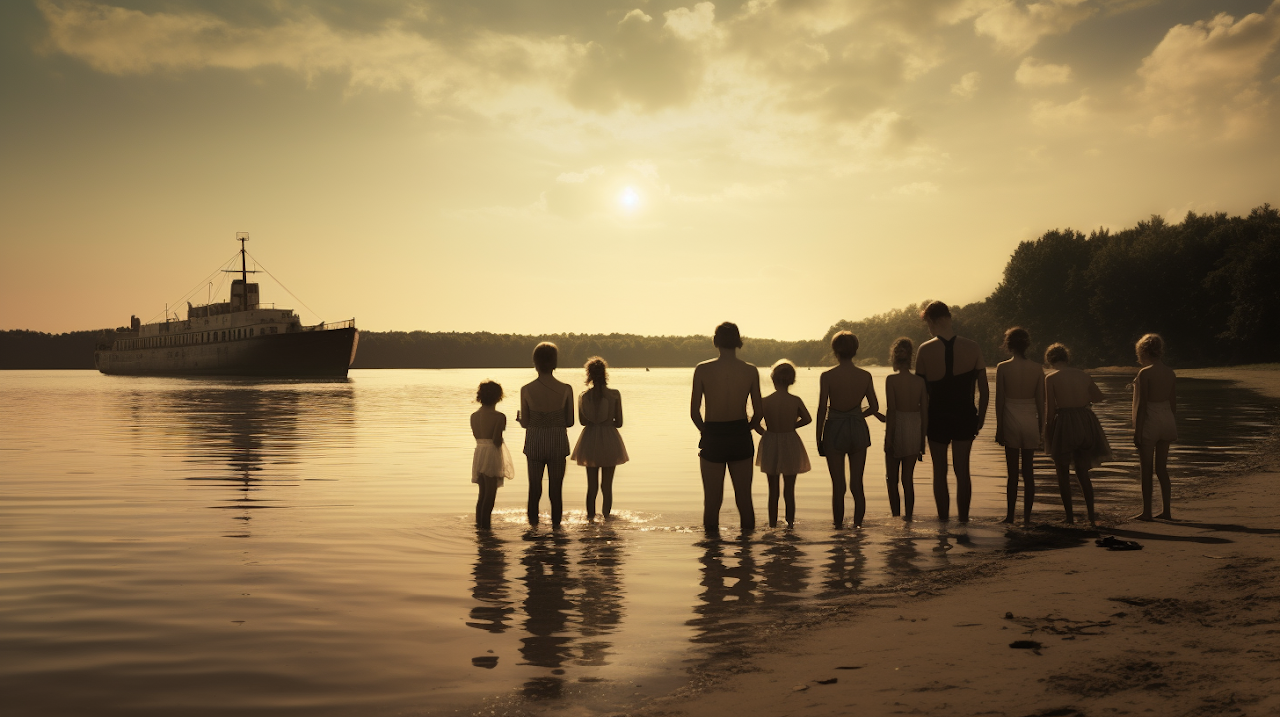 LoreŠtrandSchtrandt Beach in Neusatz harbors a dichotomy of memories, transforming from a festive daytime haven to a night-time sentinel guarding tragic and sinister historical echoes from 1942, wherein its sands and the darkened Danube whisper tales of joy, sorrow, and haunting remnants of a somber past to those who linger in its shadowed embrace.








This is a work of fiction. any similarities to persons living or dead, or actual events is purely coincidental. All Rights Reserved, Created in Neusatz 2026 AD, Propaganda Department