Embedded Files

Old Town
Lebarski Sokak
The Bread Sellers' Lane
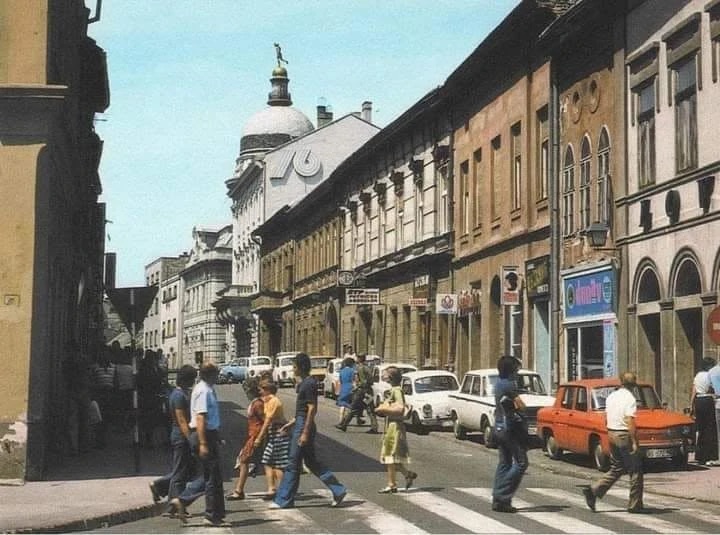
Lebarski sokak is one of the oldest streets in the core of Neusatz. It runs from Zmaj Jovina to Jovana Subotića, and the town's plans from the middle of the eighteenth century already give it that name. It was the bread sellers' lane: they sold fresh loaves and pastry there, and the lane kept their trade in its name.
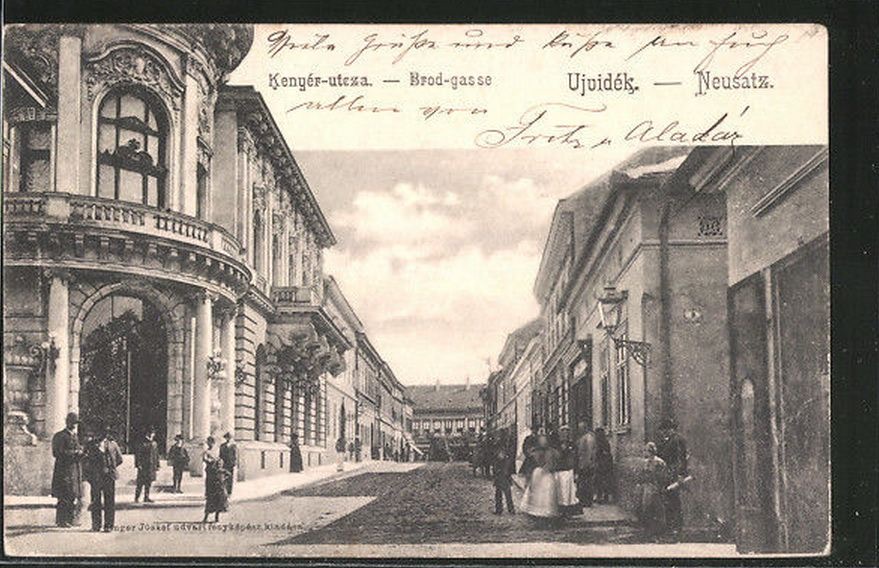
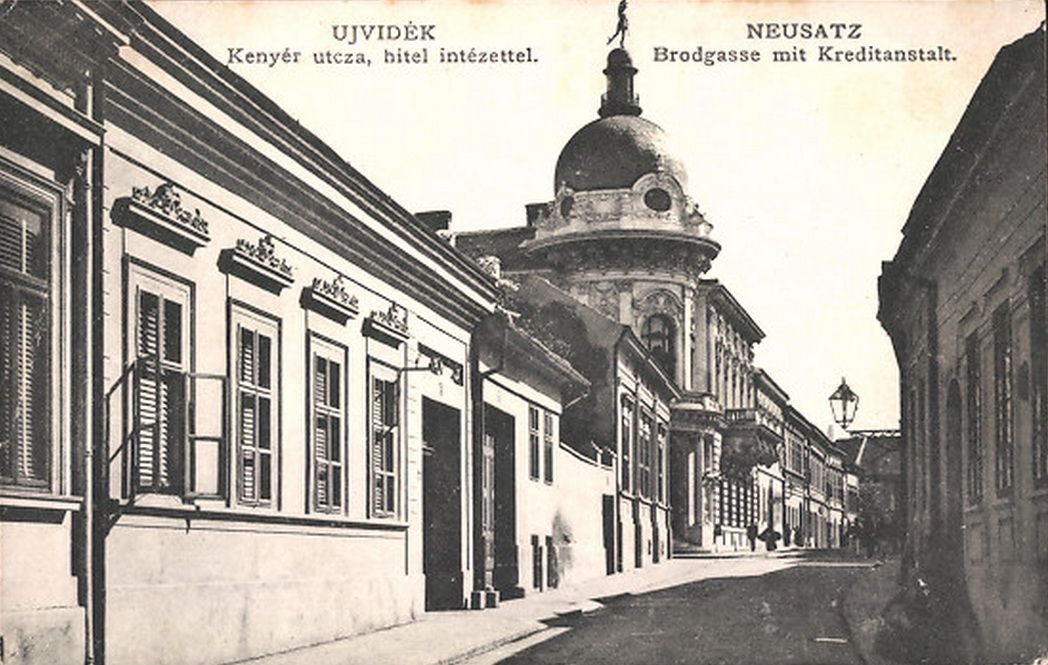
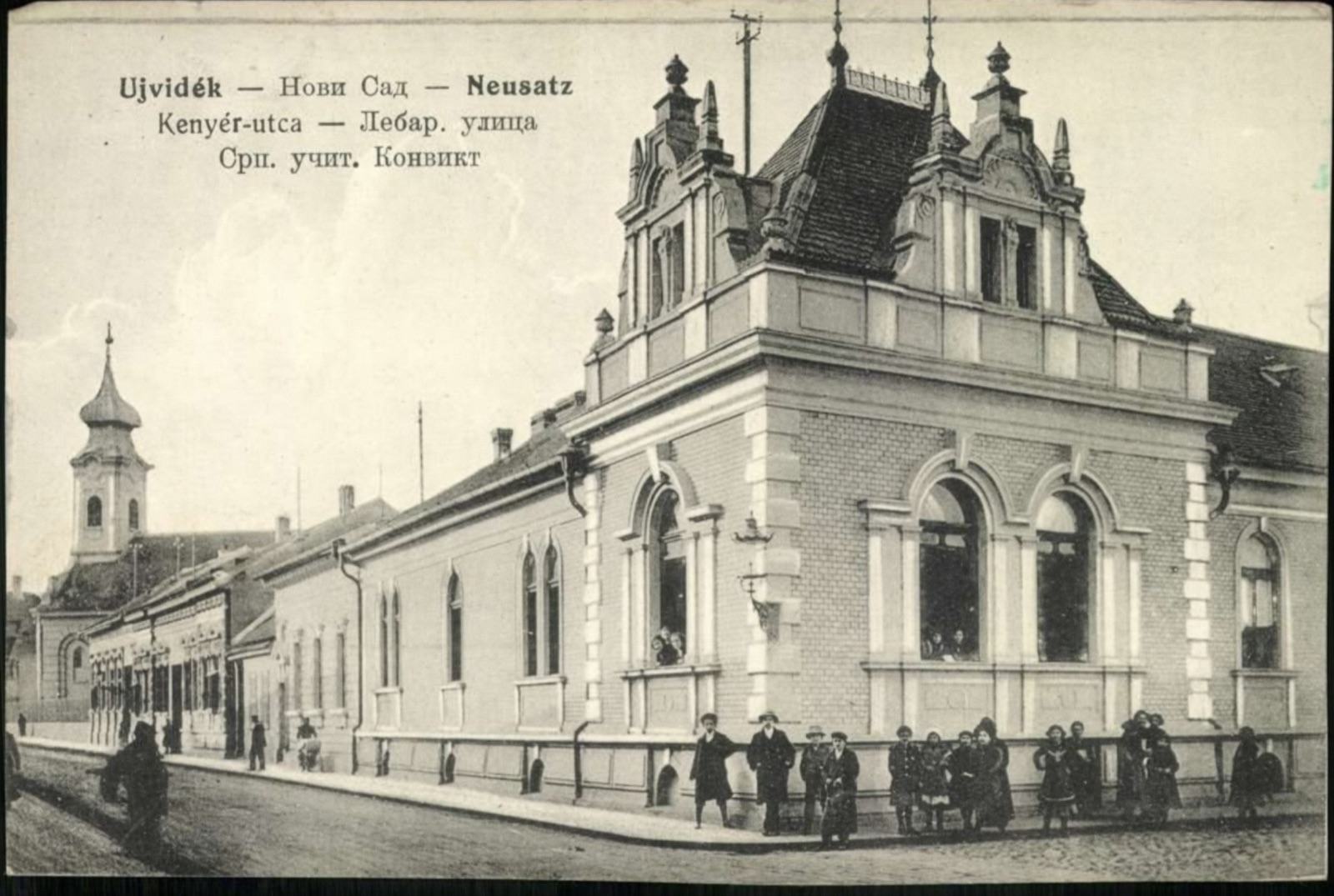
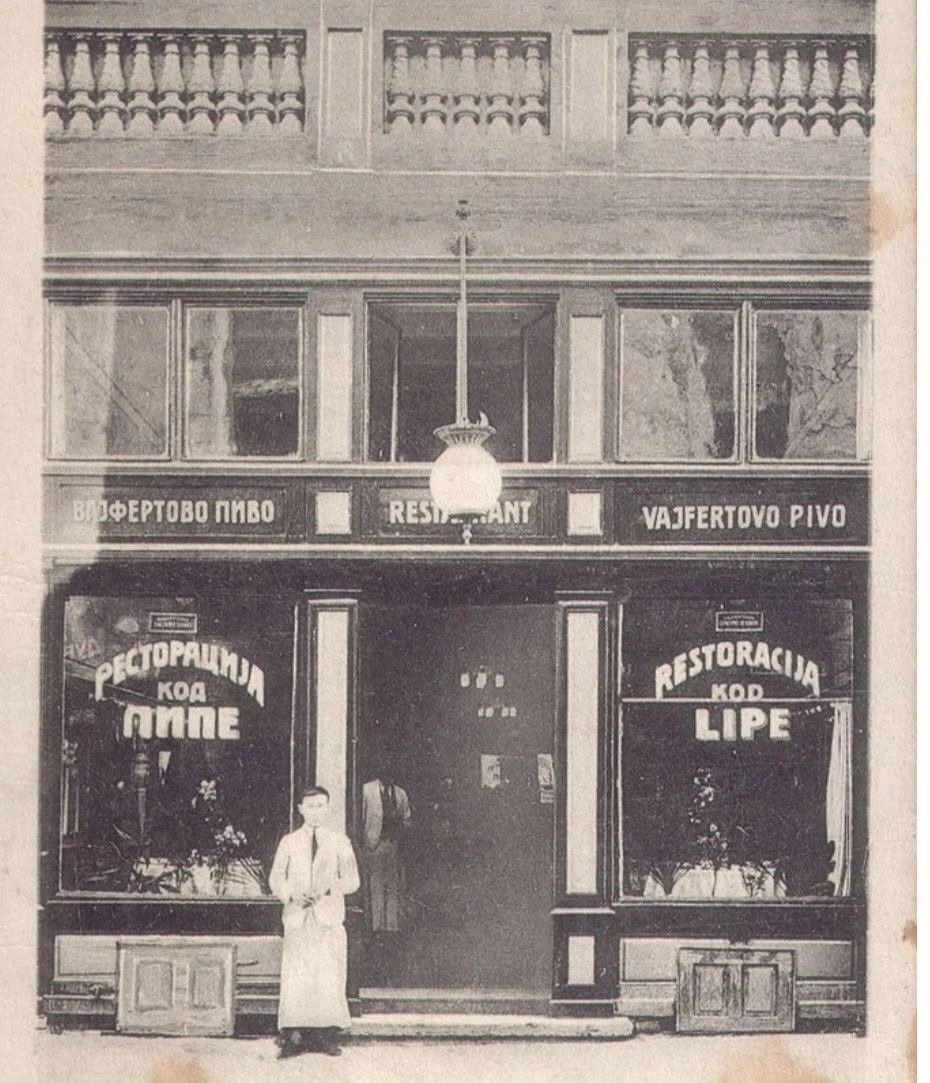
The town's other languages took the name as it was. The Hungarians wrote Kenyér utca and the Germans Brodgasse, and the postcard printers set both on the same card, with the domed bank of the credit institute halfway down the street. A card from the Kingdom adds a third line in Cyrillic, Лебар. улица, over the Serbian teachers' boarding house on the corner.
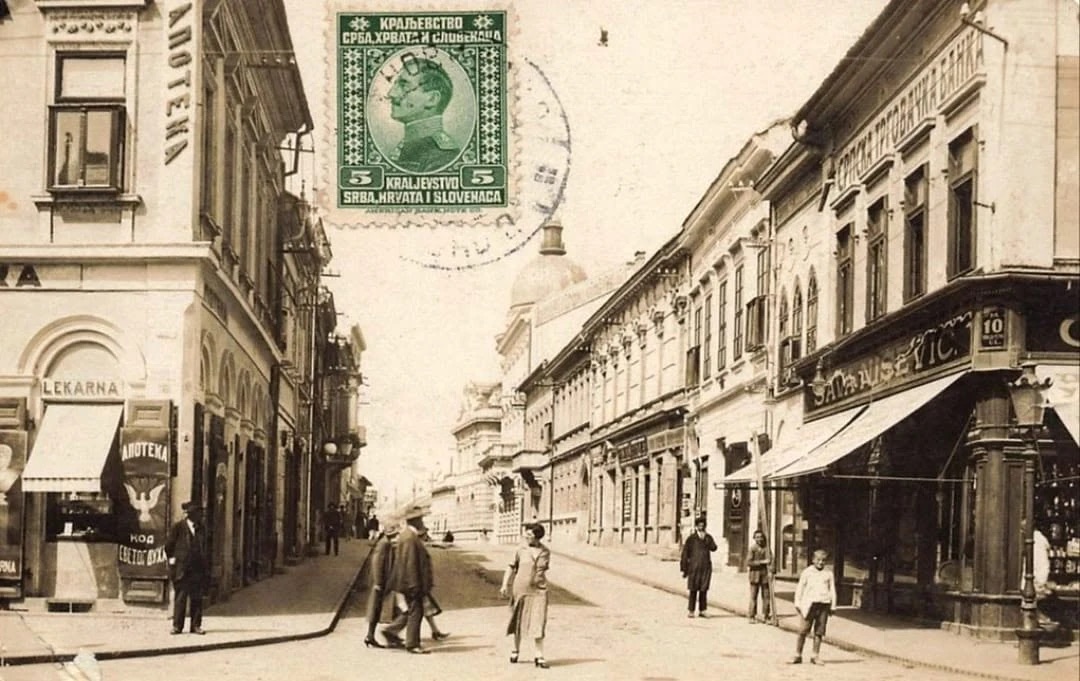
In the nineteenth century the lane filled with the houses of merchants, lawyers and public men, with taverns and shops between them. Sava Vuković, the benefactor who founded the gymnasium now named for Zmaj Jova, built his house here, and later some of the town's mayors lived in it. Slobodan Jovanović, the jurist and historian, was born on the lane in 1869. After the First World War it was named for Svetozar Miletić. Under the Hungarian occupation it carried the name of Lajos Kossuth, and after 1944 it became Miletićeva again, which it still is.
Gluteny
The Crest of the Bread Lane
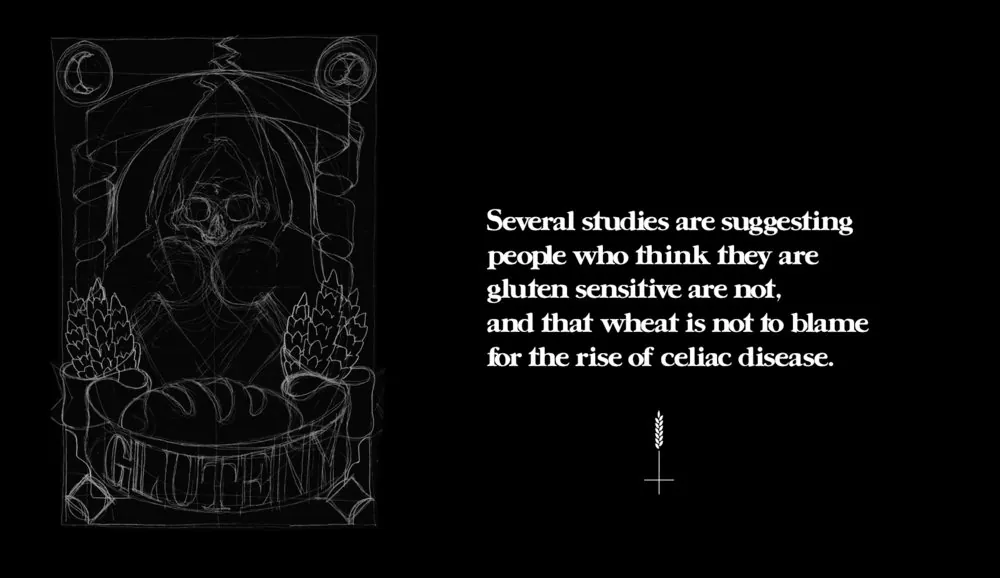
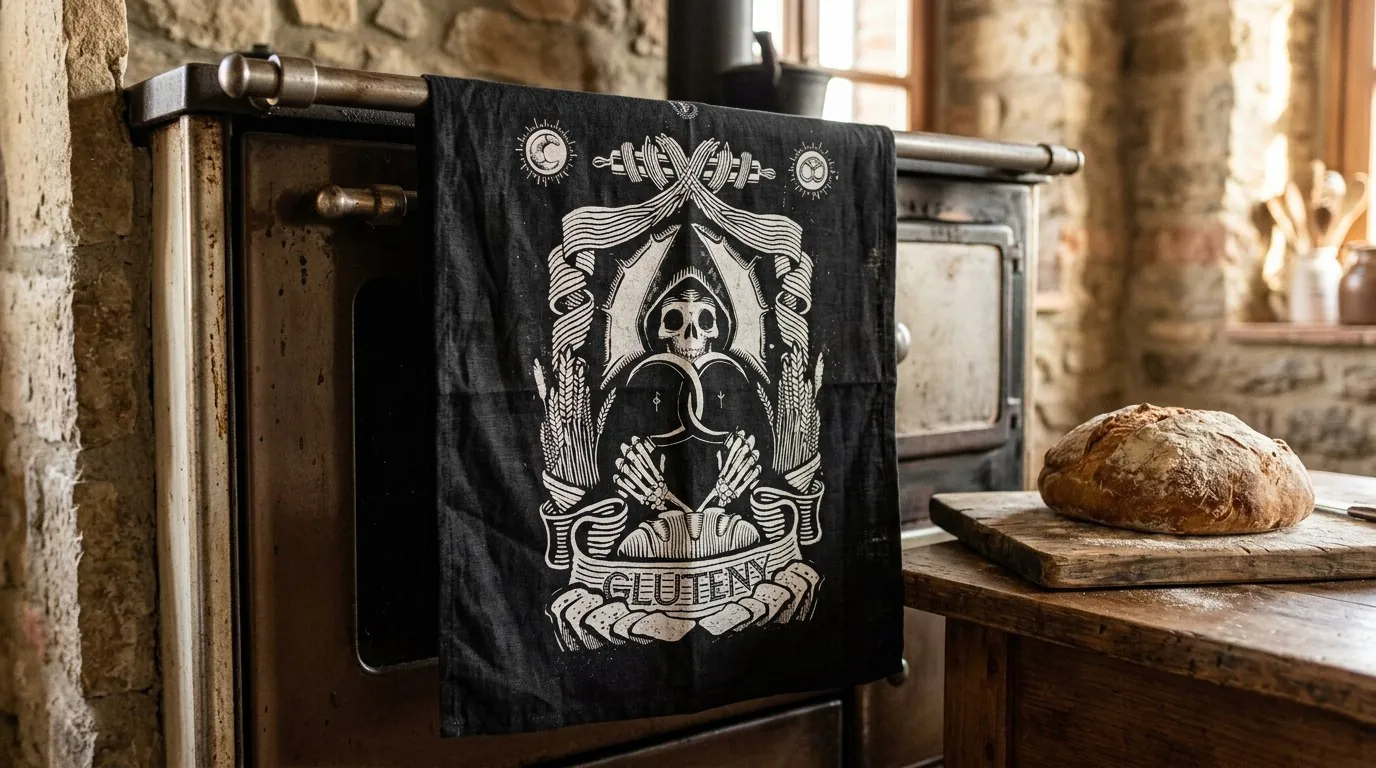
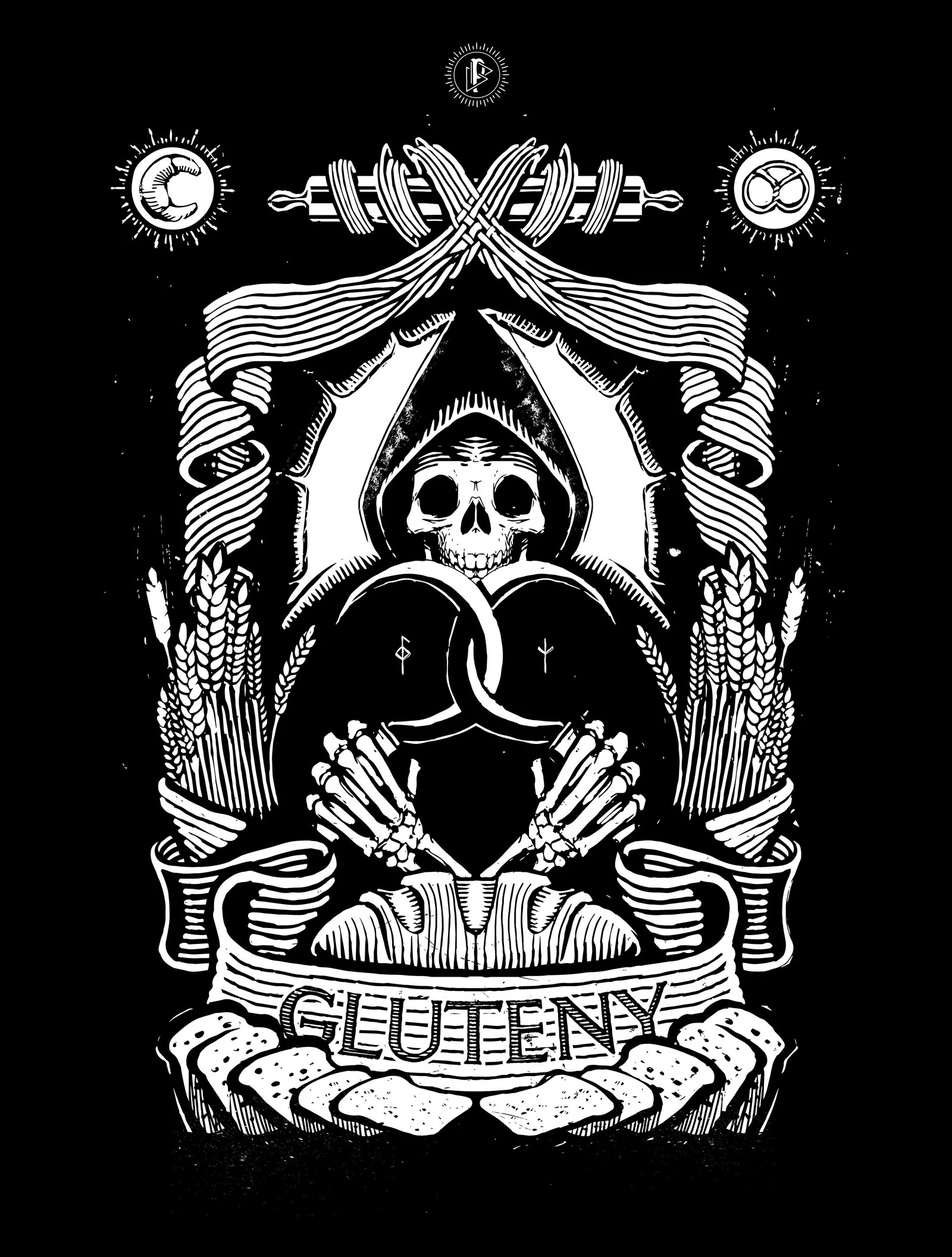
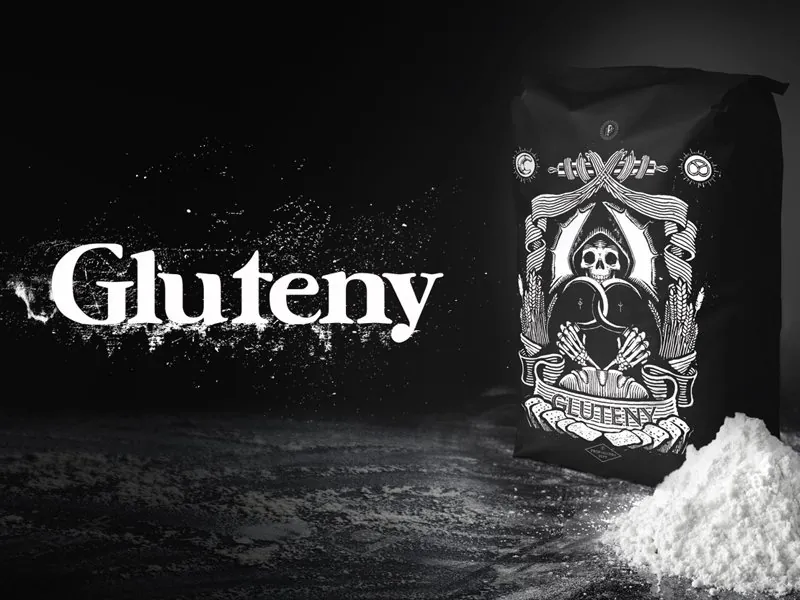
The bread sellers are long gone, and the Skulls Society keeps a crest for their lane: a hooded skull with its bony hands on a loaf, between two sheaves of wheat, over a ribbon lettered Gluteny. The story goes that the society drew it the year the town, raised on bread and burek, found out all at once that it could not eat wheat. The old bakers' families tell it the other way round. They say the skull has always stood behind the ovens of Lebarski sokak, waiting for whoever reaches for the last slice.

☩ Explore Neusatz ☩
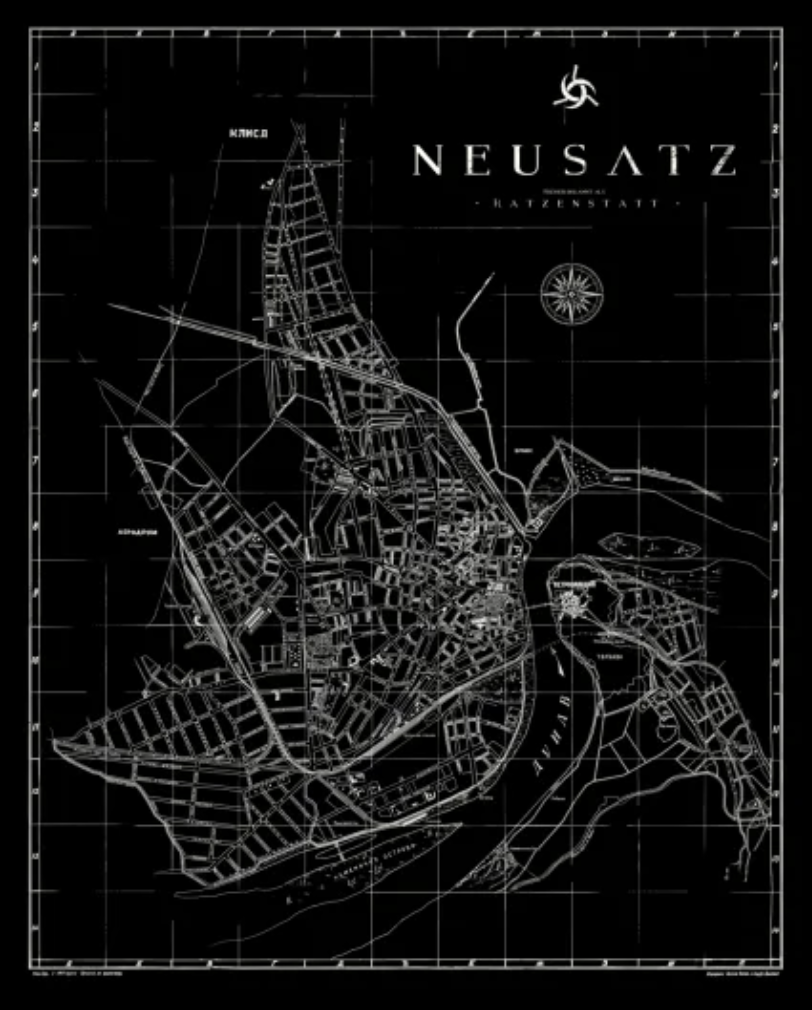
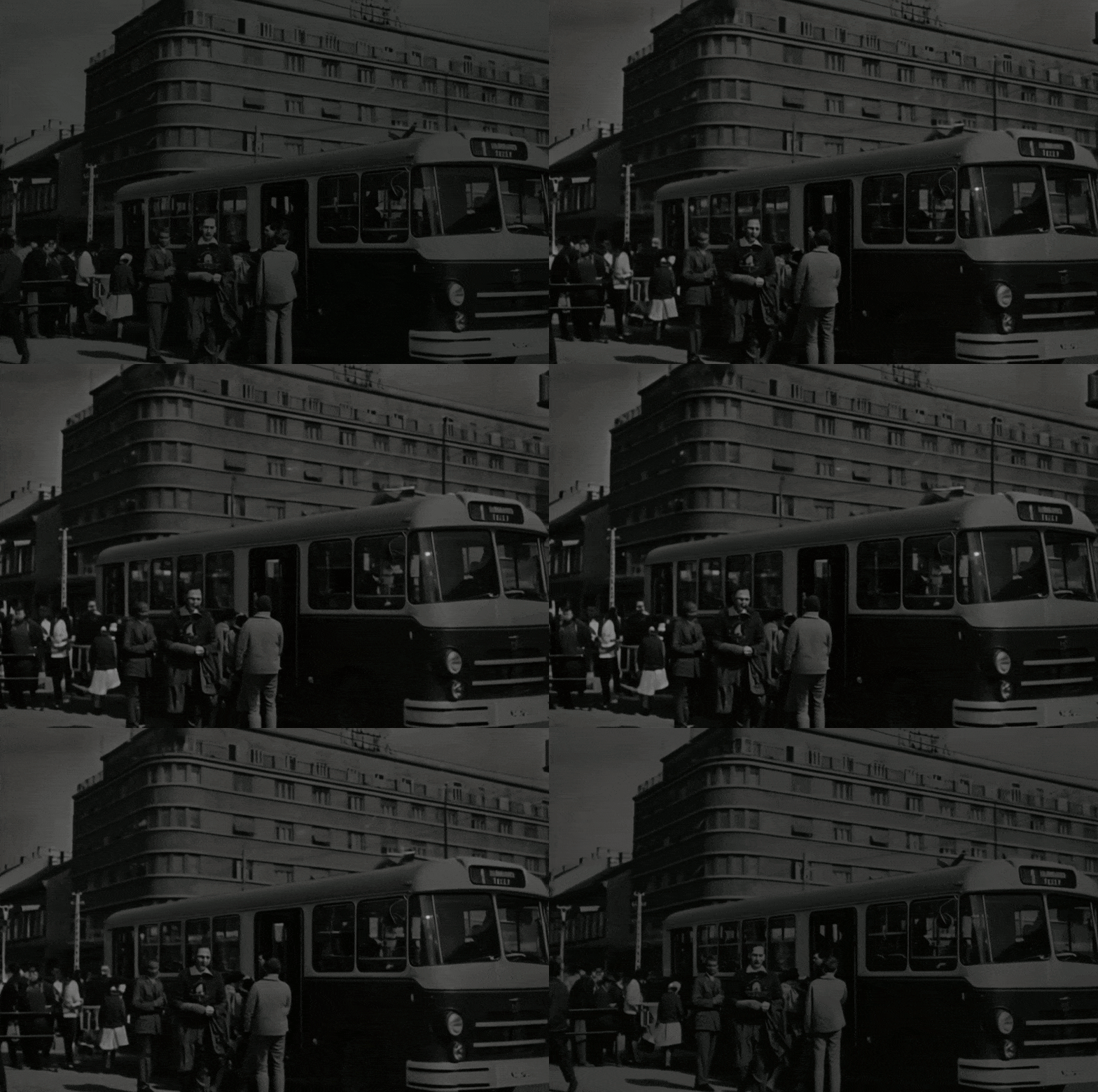 BoroughOld TownNeusatz's Old Town, originally known as Bakša, has evolved from a medieval settlement to a lively urban center, reflecting centuries of history, transformation, and resilience, with its rich heritage subtly integrated into the city's dynamic tapestry of life.
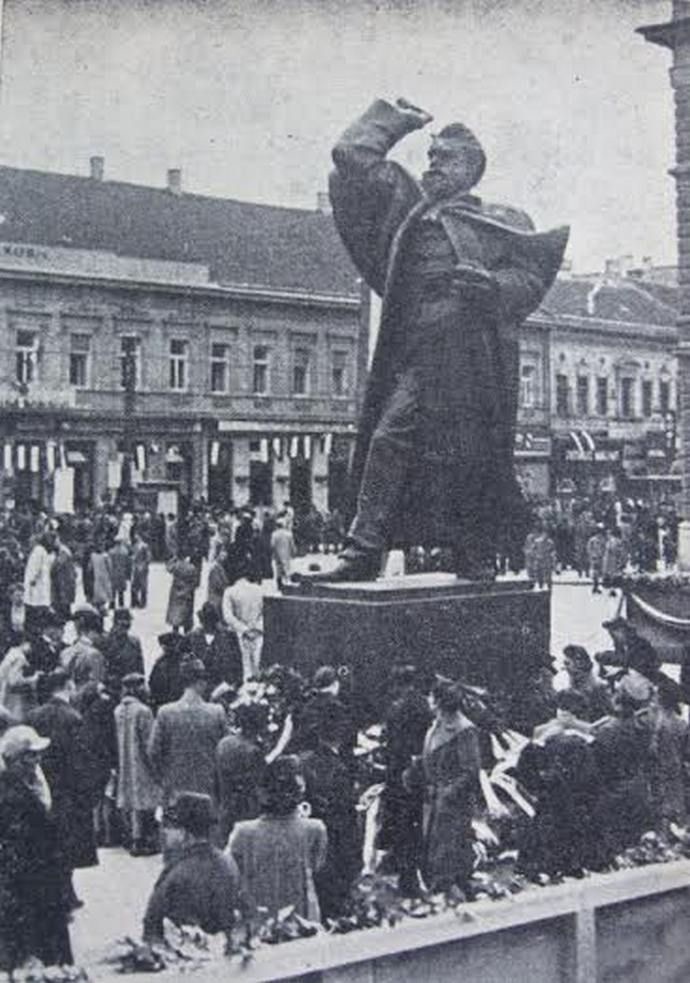 CuriosityThe Miletić MonumentIvan Meštrović's bronze of Svetozar Miletić, unveiled on the main square on 1 October 1939.
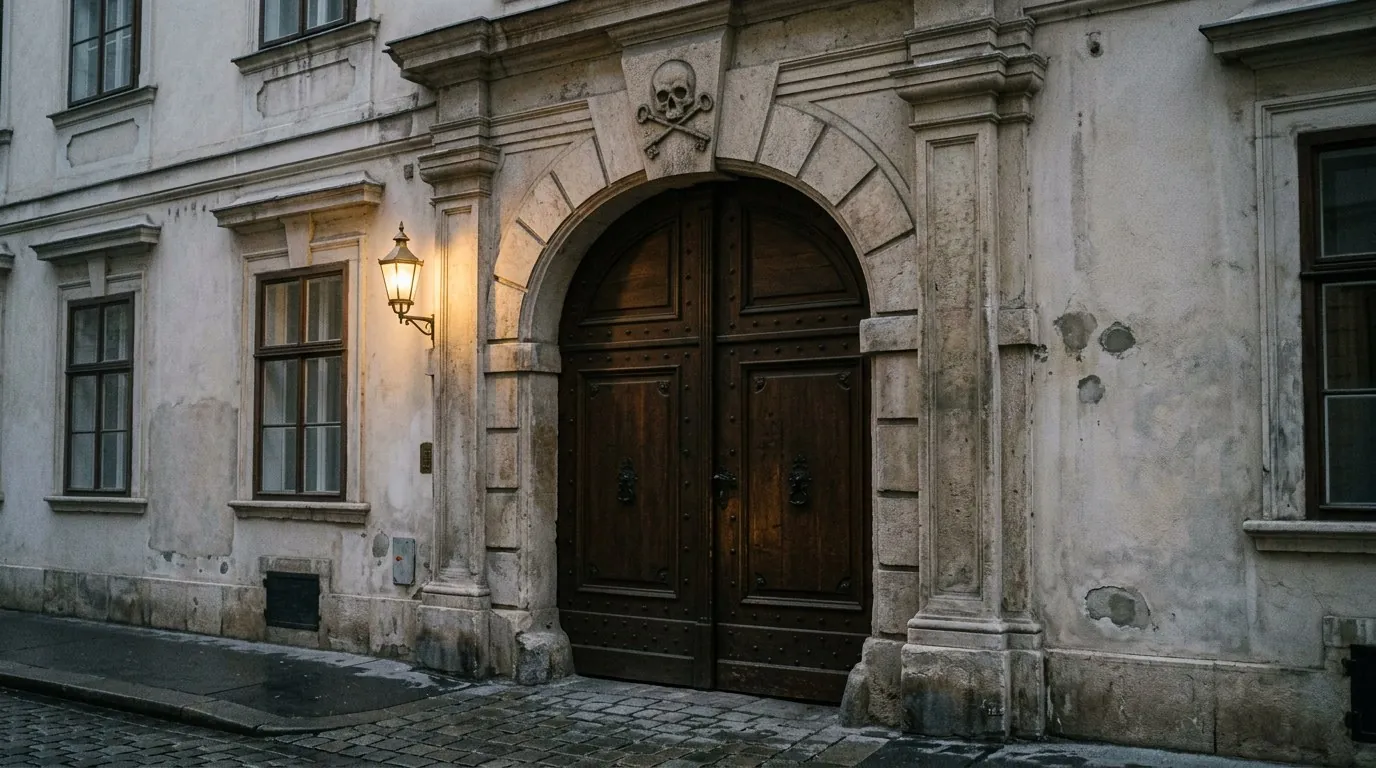 NeusatzThe Skulls SocietyThe society that meets after the lamps go out, and keeps the stories this guide leaves unfinished.






This is a work of fiction. any similarities to persons living or dead, or actual events is purely coincidental. All Rights Reserved, Created in Neusatz 2026 AD, Propaganda Department