Embedded Files

Borough
Grbavica
Where the First Train Stopped
Grbavica was once called Mađarski kraj, the Hungarian Quarter. In the nineteenth century this was the southern edge of Neusatz, and by one account Hungarian farming families settled it, in peasant houses with big yards and gardens. The name Grbavica came from Sarajevo in the 1960s. To build flats fast, the planner Milan Cvetkov took over finished plans drawn for Sarajevo's Grbavica, and their working title stayed on the new blocks. It means the humped one. The ground lies flat on a Danube terrace, 76 to 78 meters up.
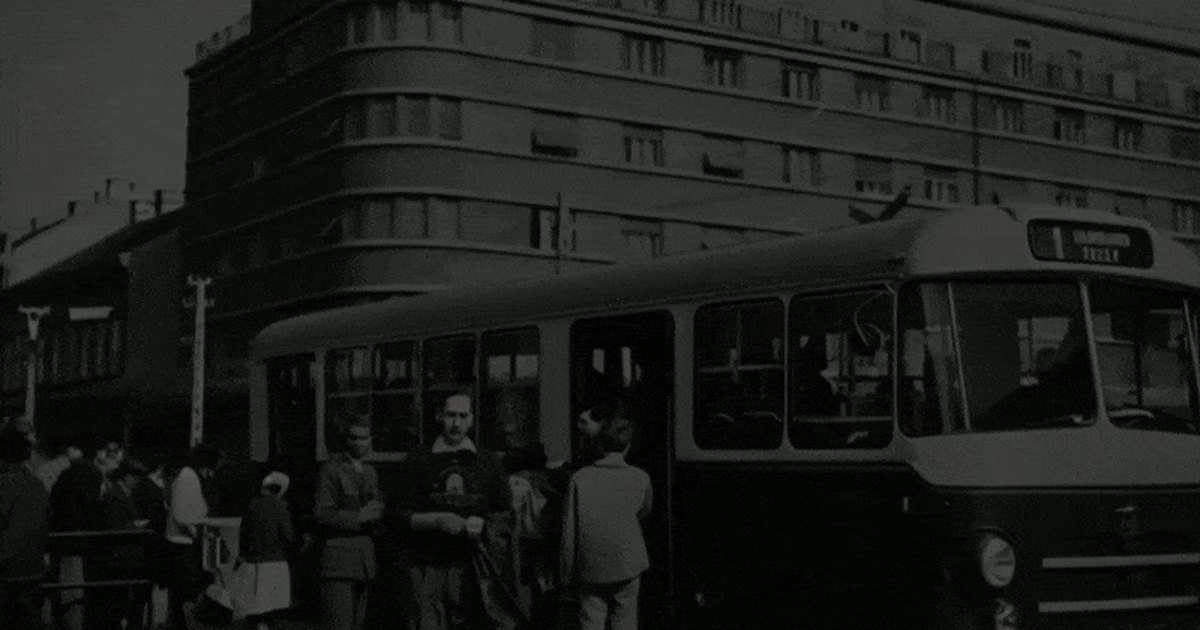
The railway made the quarter. In 1882 the town's first station went up here, between today's Vere Pavlović and Puškinova Streets and Bulevar cara Lazara, and on 5 March 1883 the first trains came in from Szabadka. In September 1911 the power station and the tram depot beside it sent the first electric cars out to the station and the hospital. On 11 August 1923 the exhibition the Neusatz Fair counts as its first opened in the Hungarian Catholic grammar school on the Futog road, from eight in the morning to six at night, for ten dinars.
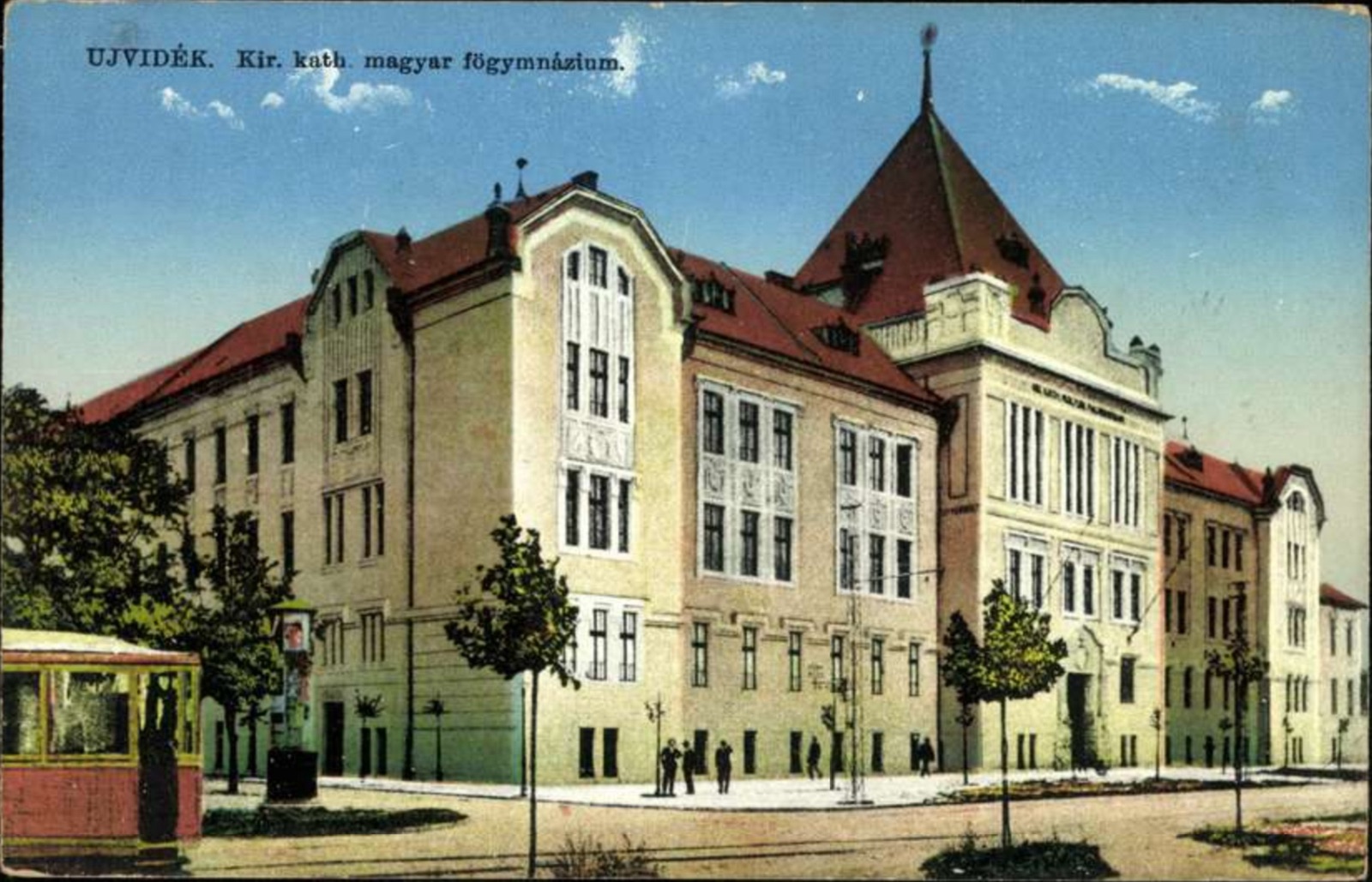
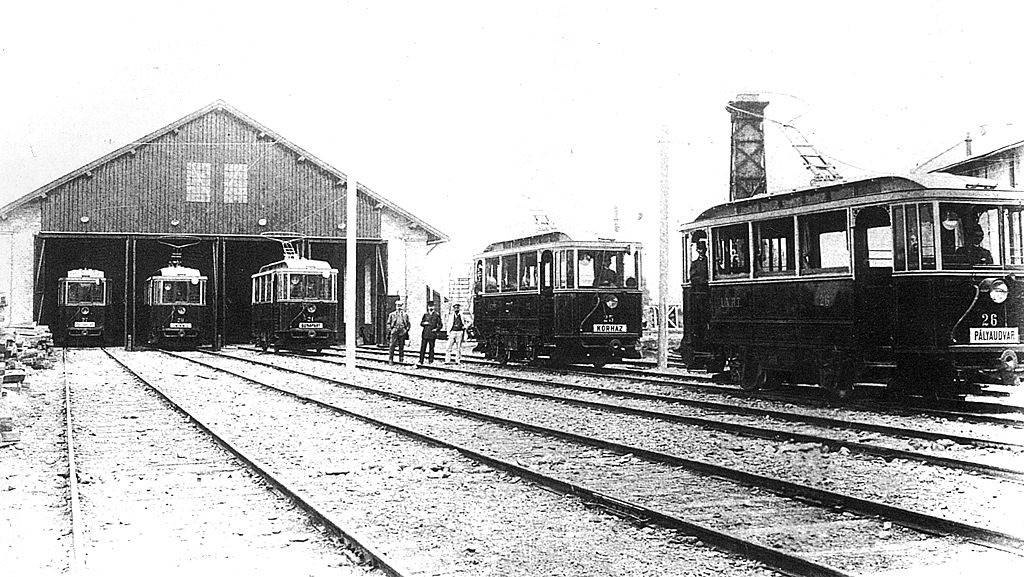
The sources disagree on when the line and the station went: after 1961, from 1964, or in the early 1970s. A post office stands on the station's ground by the Liman market, and before it a relief of Mercury that once decorated the station front.
Pupils of the school on the Futog road say that whoever looks at the globe on its dome on the way in gets a failing grade that day. The Hungarian restaurant Piros Csizma, the Red Boot, is gone. Opposite the market, the owner of the Borsalino pizzeria planted two lindens to stop the local boys cutting his saplings for slingshots. The lindens shade his garden now.
☩ Explore Neusatz ☩
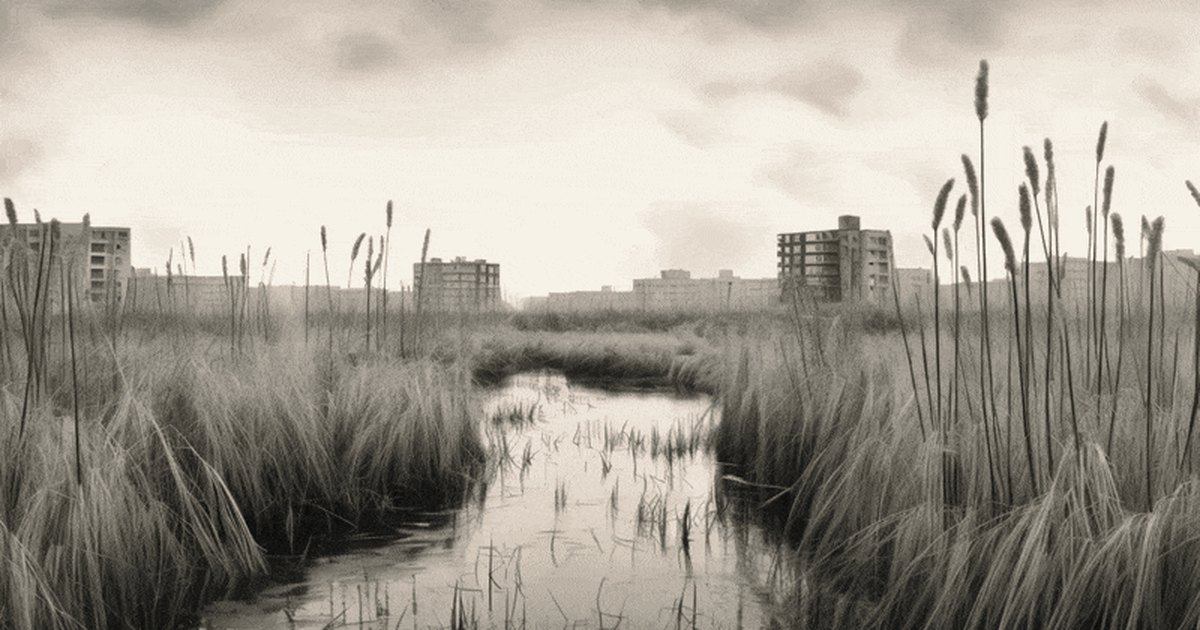 BoroughState of LimanApartment towers by the Danube, a punk scene, and the Coyotes who rule them.
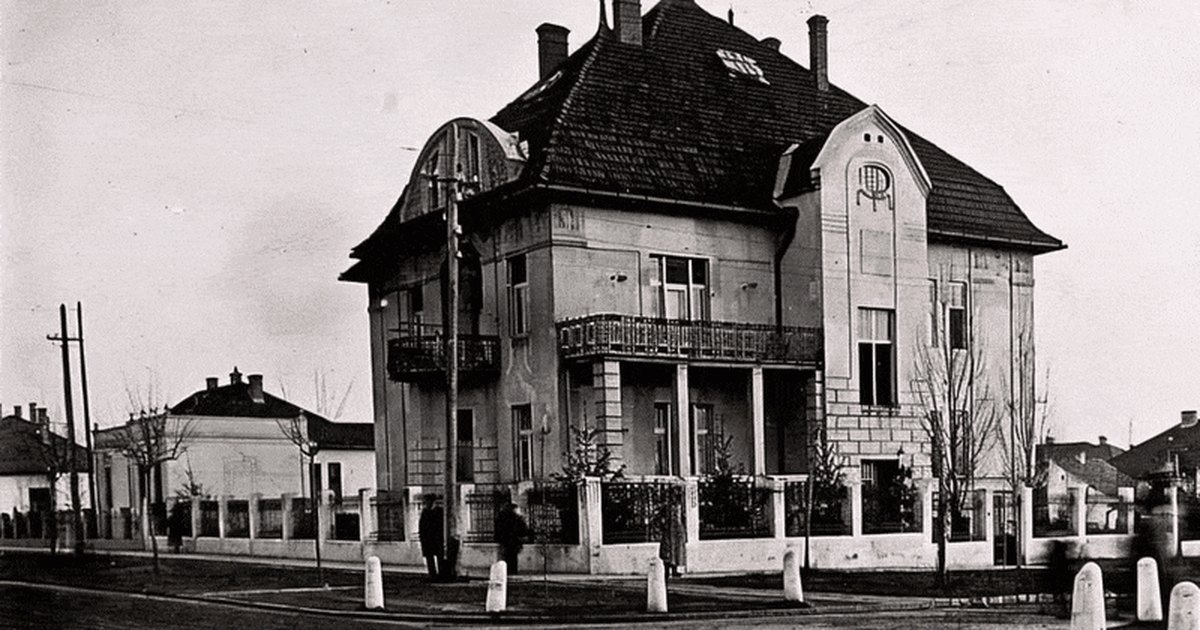 BoroughAdamovich's SettlementA tapestry of viticulture revival and cultural transformation unfolds in the heart of Neusatz
 BoroughOld TownMedieval Bakša, the frontier settlement of 1694, and the streets the rest of Neusatz grew from.














This is a work of fiction. Any similarity to persons living or dead, or to actual events, is purely coincidental. All Rights Reserved, Created in Neusatz 2026 AD, Propaganda Department