Embedded Files

Borough
Banatić
The Little Banat by the Rails
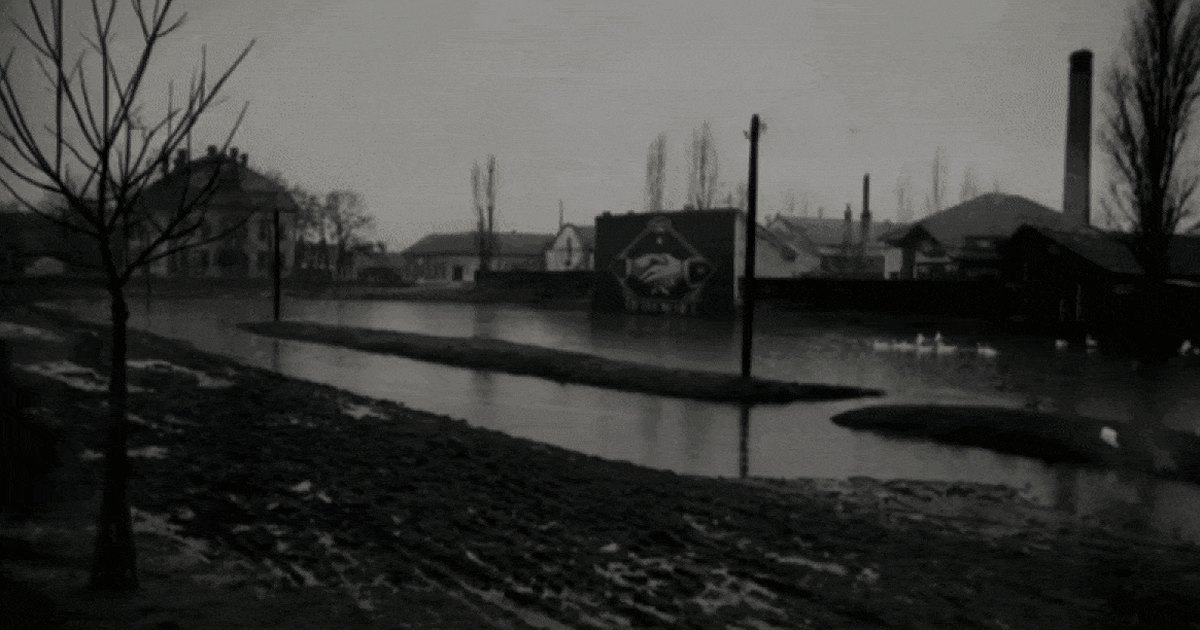
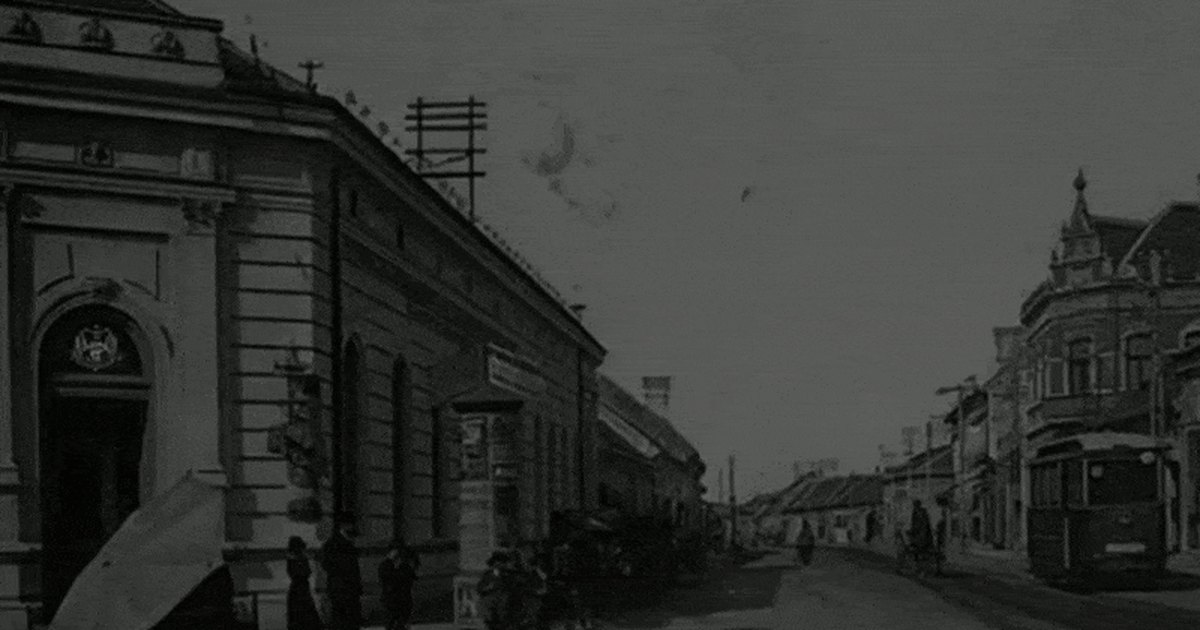
Banatić means the little Banat, and it is named for a street that no longer exists: Banat Street, which ran where Gagarin Street runs now. Before that, depending on the source, the street was the Shanz gasse until 1918, or Ciglarska, Brick Street. Behind Brick Street lay the pits where the town dug earth for mud brick and fired brick, and at the end of old Rusinska Street a great pond, where Peace Park is now. This was a quarter of farmers. A few of their family houses are left, in Jovana Hranilovića and Bačka Streets.
The Rusyn Greek Catholic cemetery on the boulevard opened in 1860 and closed in 1974. Jovan Hranilović lies there, the Greek Catholic priest, poet and journalist who chaired the Great People's Assembly in Neusatz on 25 November 1918.
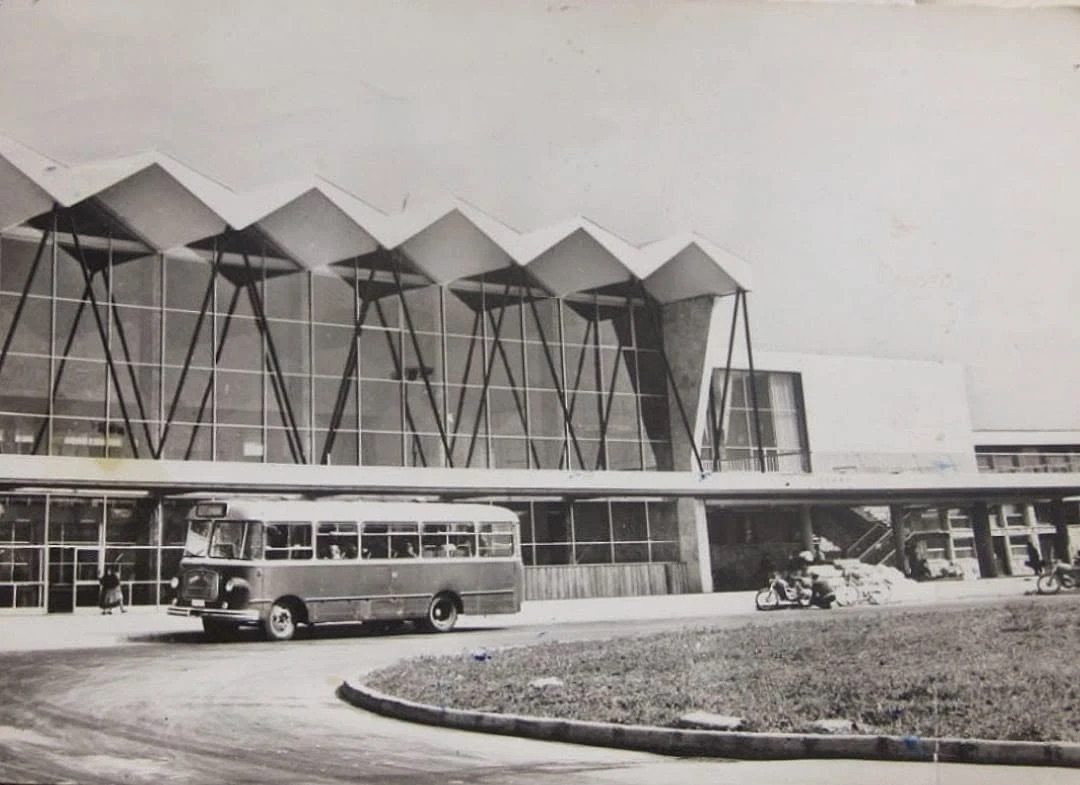
The railway came north at the end of May 1964; the sources give the 24th, the 30th and the 31st. A design competition gave no first prize, so the job went to the town's Arhitekt bureau, and the Neimar company built the station in a little over a year. Its sawtooth roof recalls the roofs of old Pannonian houses. Several thousand people filled the forecourt for the opening, and the first train came in hung with green branches and flags. The station had its own cinema, where passengers watched films while they waited for a train.
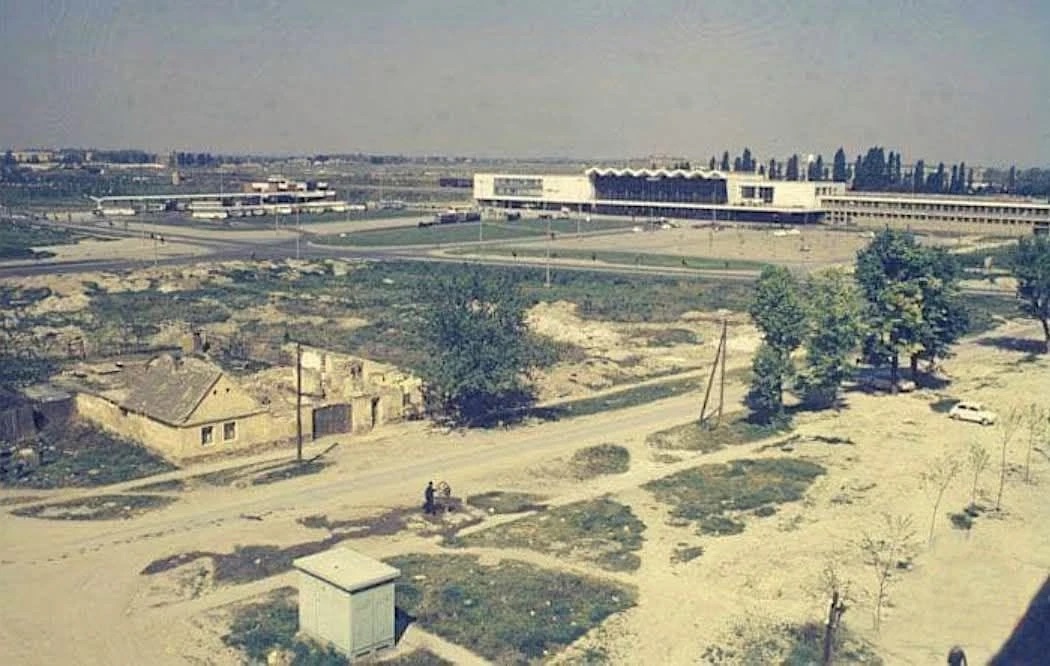
The town calls the quarter the Block. In the late 1990s it started the Blokstok festival in the park beside the station, where unknown young bands get the stage first. Older people remember the Kokra department store and the Tunnel of Cheapness, where the Maxi is now.
Beside the station stands a small steam locomotive built in Budapest. The town has met and parted beside it for decades.















This is a work of fiction. Any similarity to persons living or dead, or to actual events, is purely coincidental. All Rights Reserved, Created in Neusatz 2026 AD, Propaganda Department