Embedded Files

Borough
Vašarište
The Fairground Before the Fair
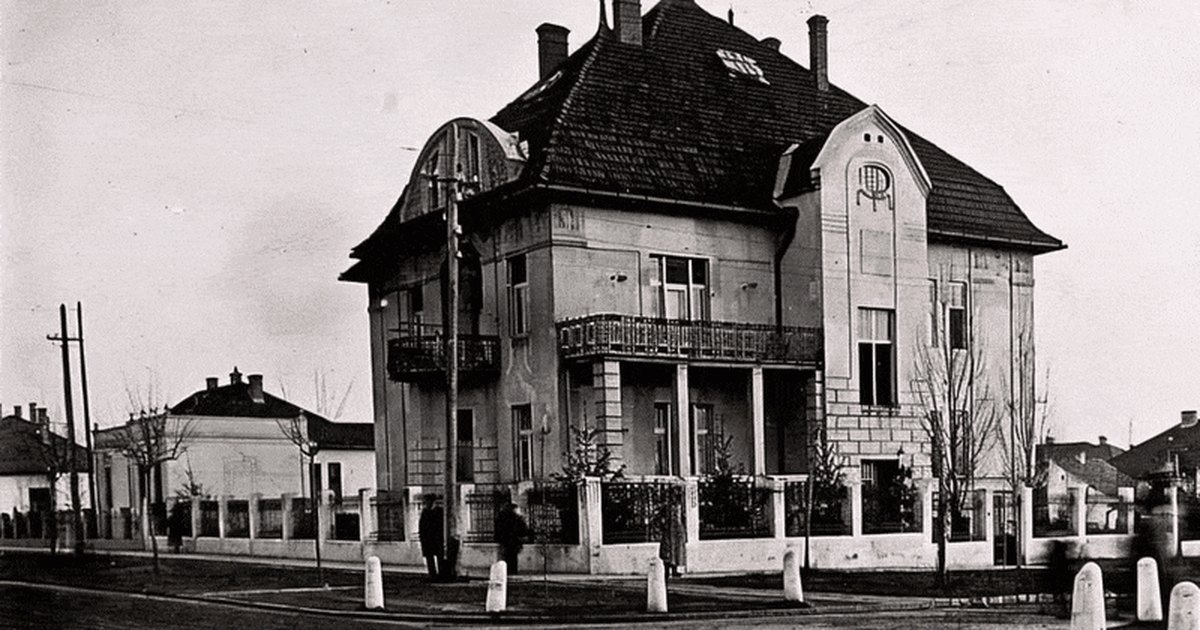
Vašarište (now Sajmište) is how the town plan of August 1929 letters this ground, between the hospital on the road to Hajduk Veljko and the Orthodox cemetery. Both words mean the fairground. Vašar is the Vojvodina word for a fair, taken from the Hungarian vásár; sajam is the Serbian one.
The quarter began in the nineteenth century, as the town grew west, and its eastern end went up first. In 1897 a drill looking for drinking water near the Futog forest struck water rich in iodine, and in 1910 the town opened its baths, Imre Francsek's building with nymphs and fish carved on the front. The Great City Hospital opened in 1909. In 1921 Dr Adolf Hempt founded the Pasteur Institute on the same street, and from 1928 his new rabies vaccine made it the institute for the whole Kingdom of Yugoslavia.
The fair came last. It counts its first exhibition from 1923, and until 1939 its shows used an older ground on Šumadijska Street in the center. In 1940 its tenth, jubilee fair opened here on Hajduk Veljkova Street, and the quarter took the new word for its old name. In 1952 Ivko Milojević, a design student of seventeen, drew the fair's sign: an S for the fair, an N for the town, a curve under the S for the Danube, and the small wings of Mercury.
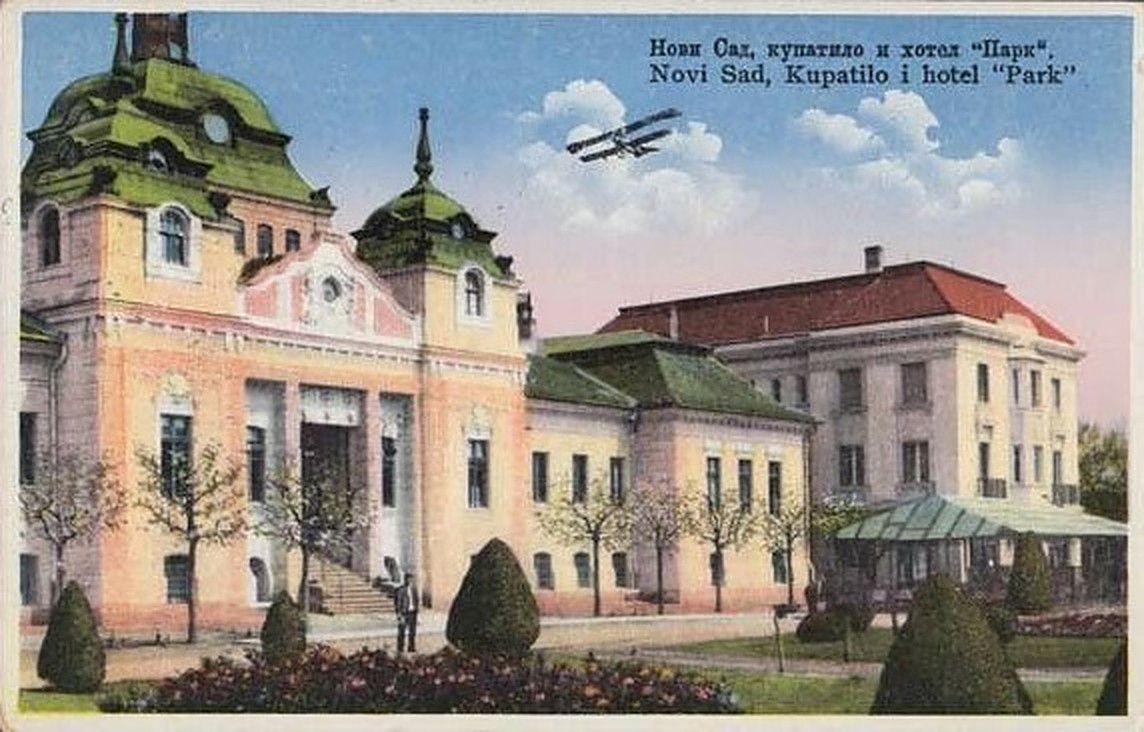
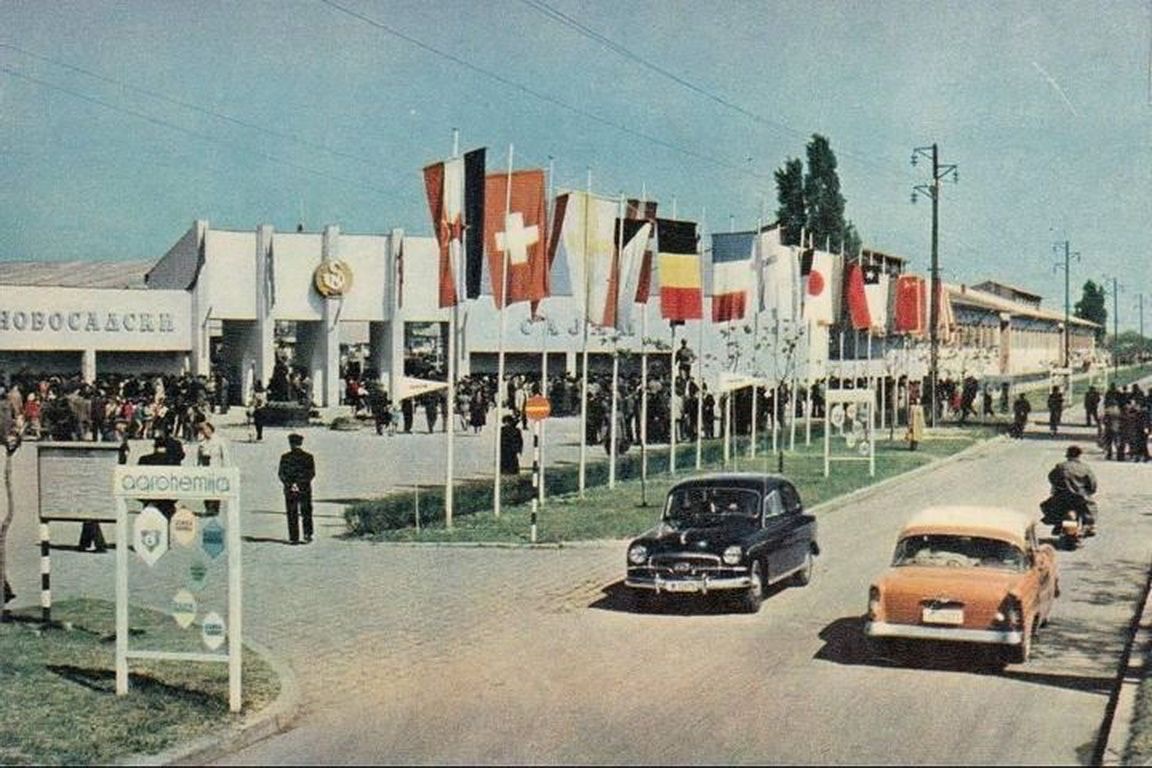
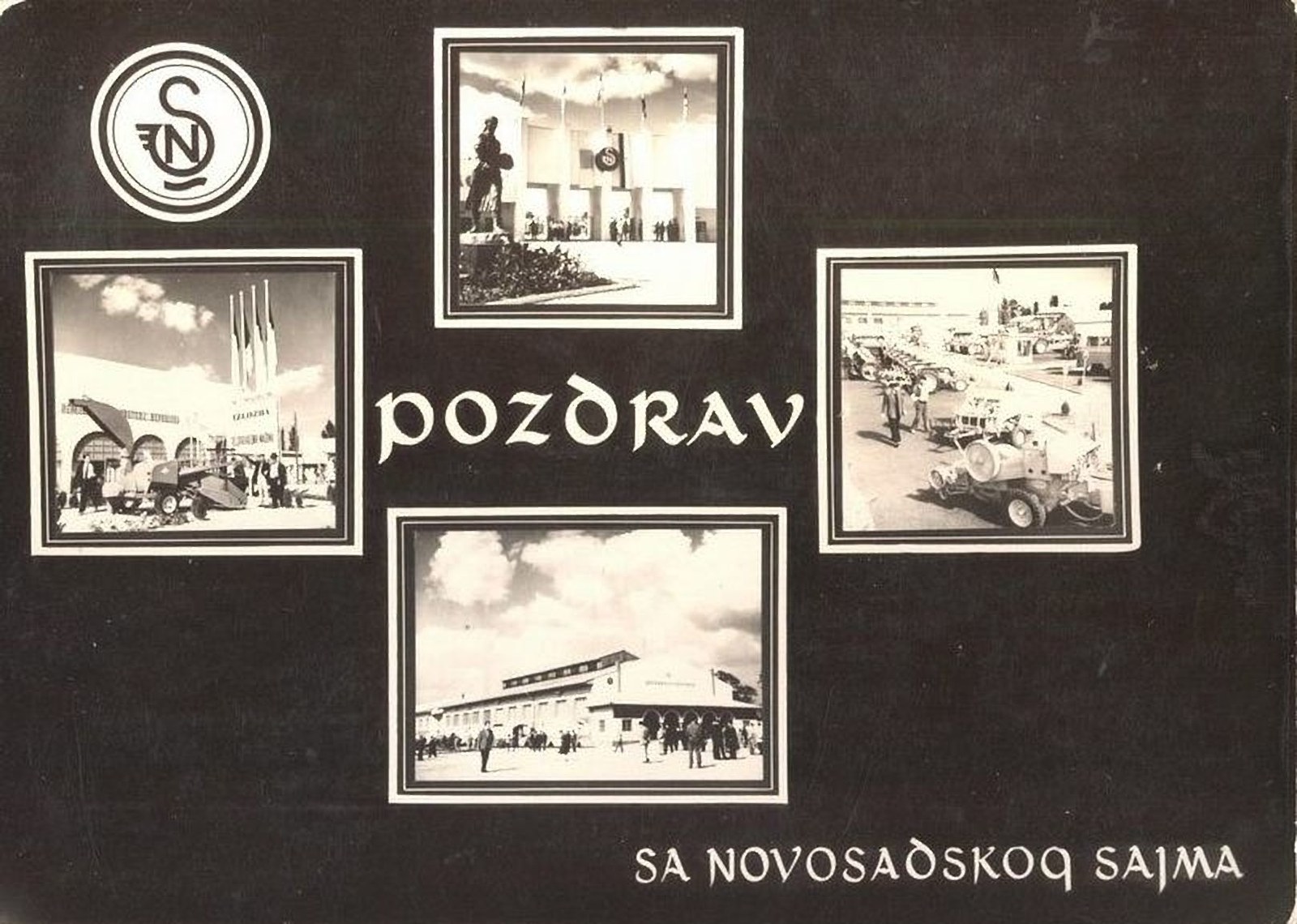
Old townspeople called the ground between the baths and the fair the Devil's Garden. One account names a nursery owner called Vrag. Another tells of a gardener the neighbors nicknamed Vrag, the devil, because he watered his vegetables at night.
At Mičurinova 20, in the house of a butcher, the punk band Crkveni pacovi rehearsed in the cellar and played its first show on the terrace for schoolmates.
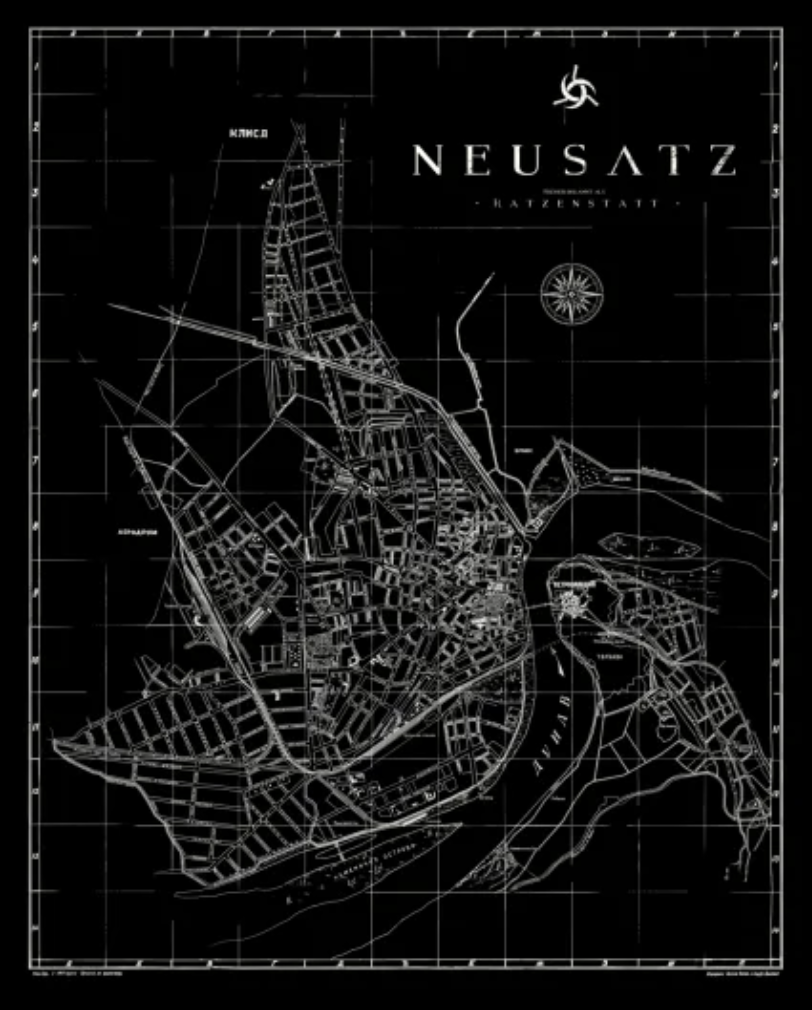
















This is a work of fiction. Any similarity to persons living or dead, or to actual events, is purely coincidental. All Rights Reserved, Created in Neusatz 2026 AD, Propaganda Department