Embedded Files

Borough
Jugovićevo
Named for a Fallen Airman
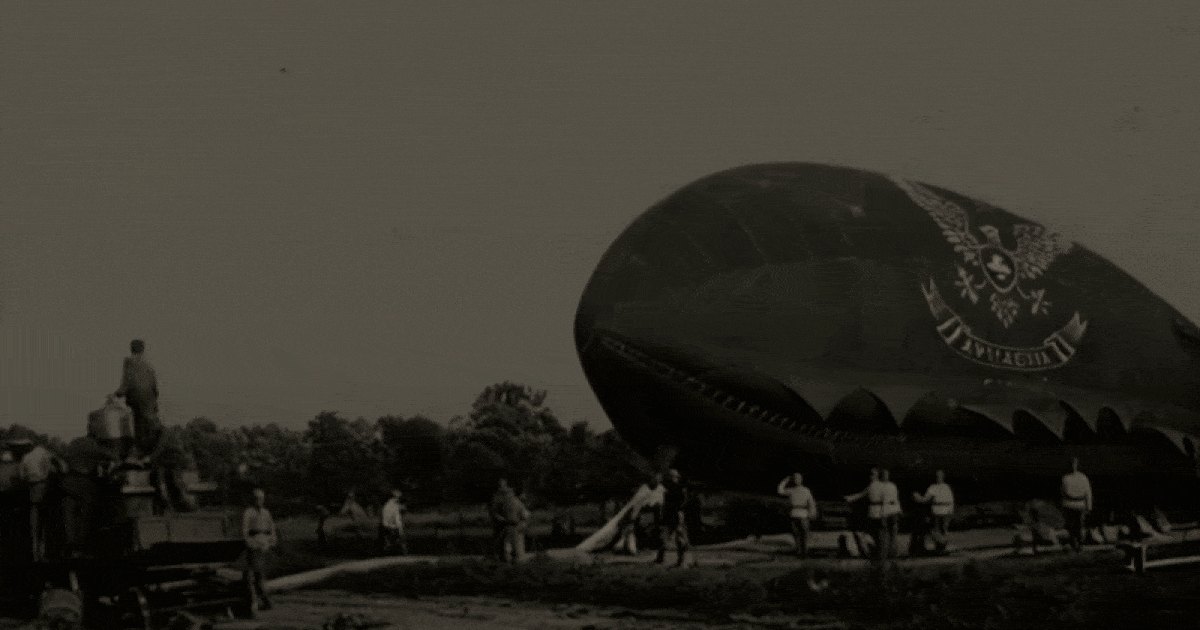
Jugovićevo takes its name from an airfield, and the airfield took its name from a man. In 1912 the city ceded the flat ground on its western edge to the Austro-Hungarian general staff, and the field opened with a flying meeting in May 1913. It had grass strips, and its first hangars stood on Zoyl next door. Barracks and workshops followed in 1916.
In November 1918 a Serbian squadron landed on French machines and found eleven wooden hangars. The field held the first pilot school, a weather station from 1920 and the air command, until the command left for Zemun in 1936. In 1924 the Belgrade daily Politika reported mass graves found on the field, several hundred skeletons in all. The regiment's commander, Lieutenant Colonel Jovan Jugović, was one of the first six Serbian pilots. On 24 September 1926 he was killed at an air show in Prague, when a Yugoslav Breguet 19 collided with a Czech aircraft. The field took his name.
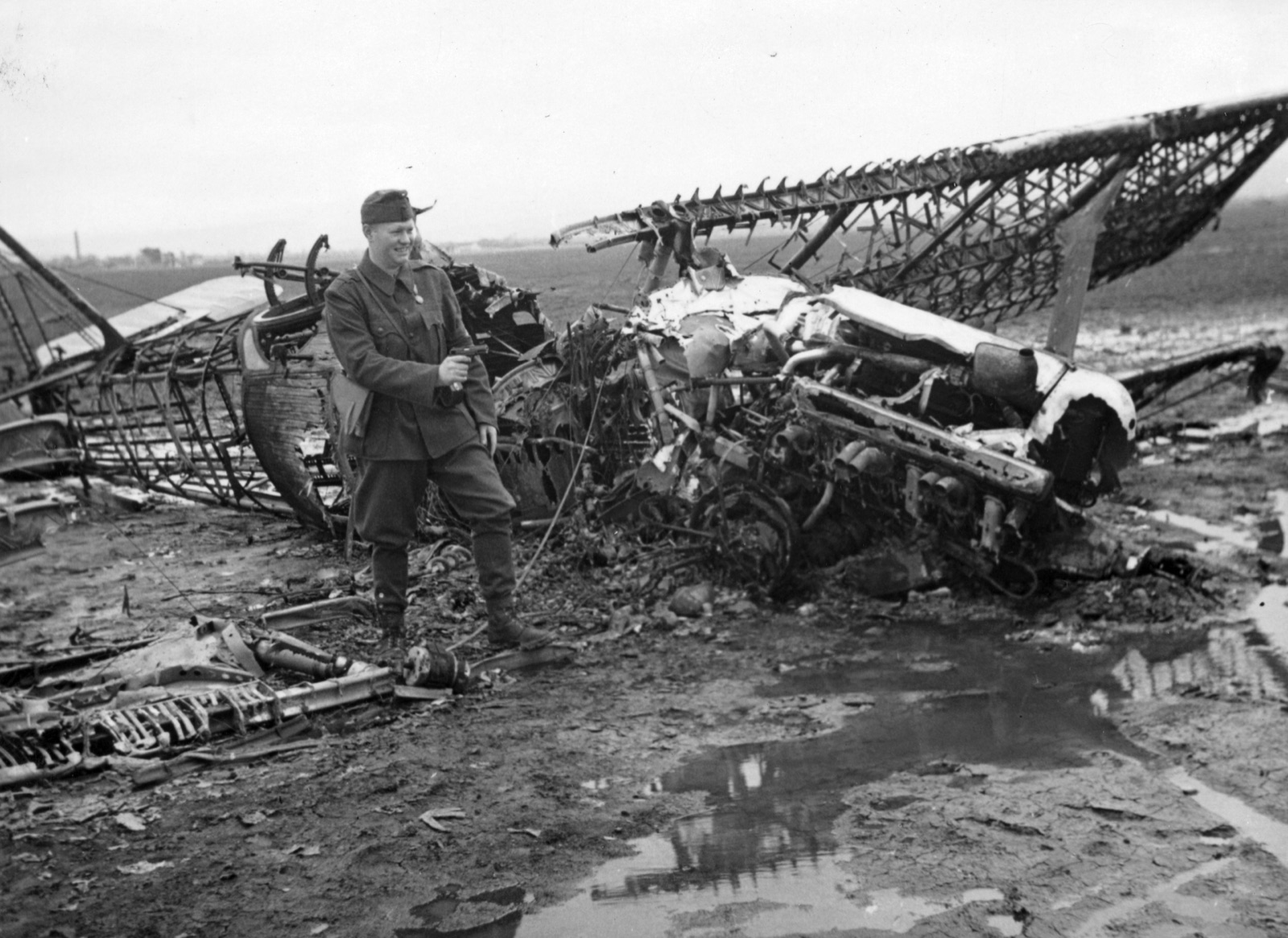
German bombers struck it in April 1941. In the Archive's photographs a Breguet 19 lies burnt to its ribs in the mud. The occupiers laid an 800-meter concrete runway and flew from it to the Eastern Front. After the war the town's flying moved to Čenej, where a new field opened on 14 June 1953. NATO bombed the barracks here four times in April and May 1999.
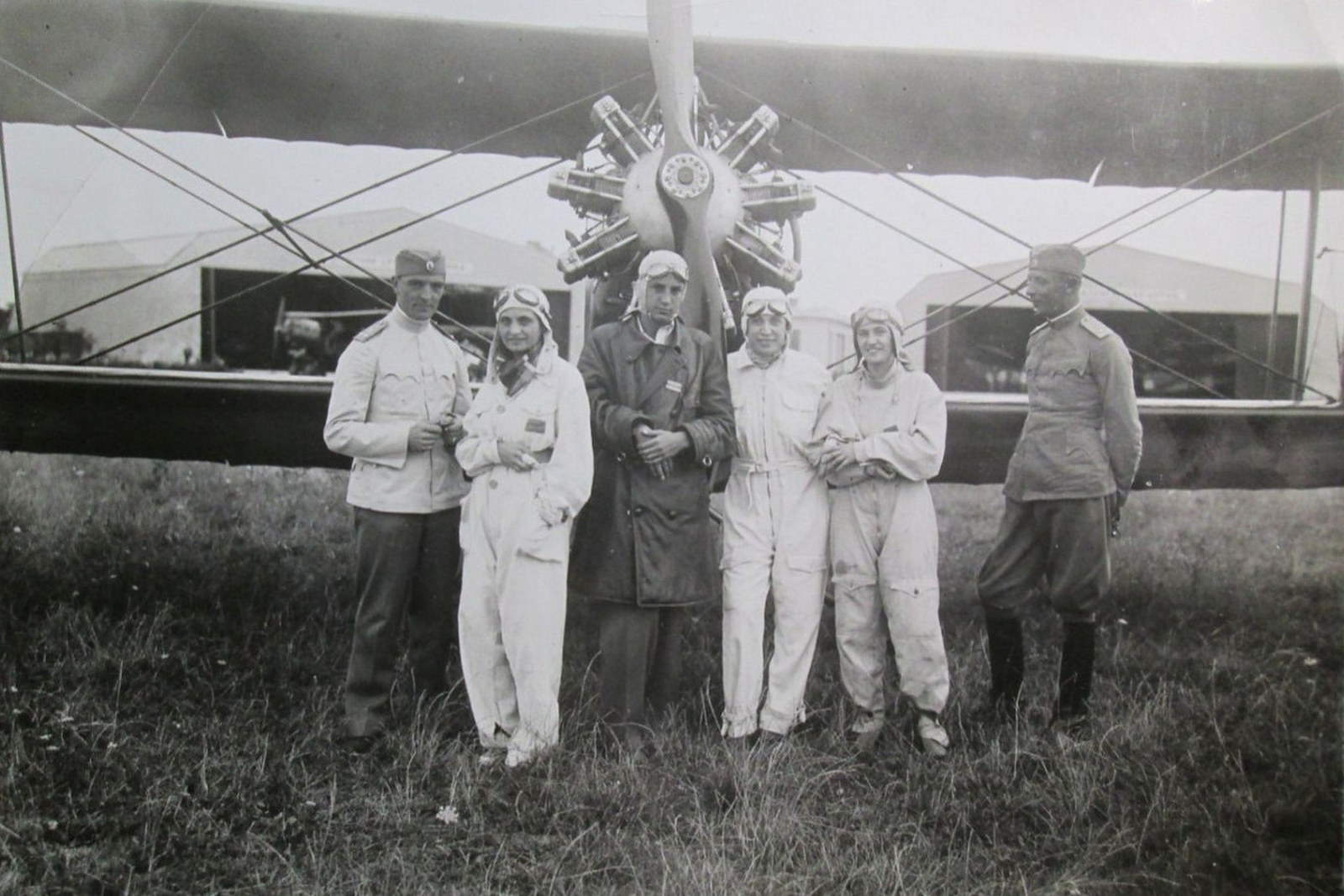
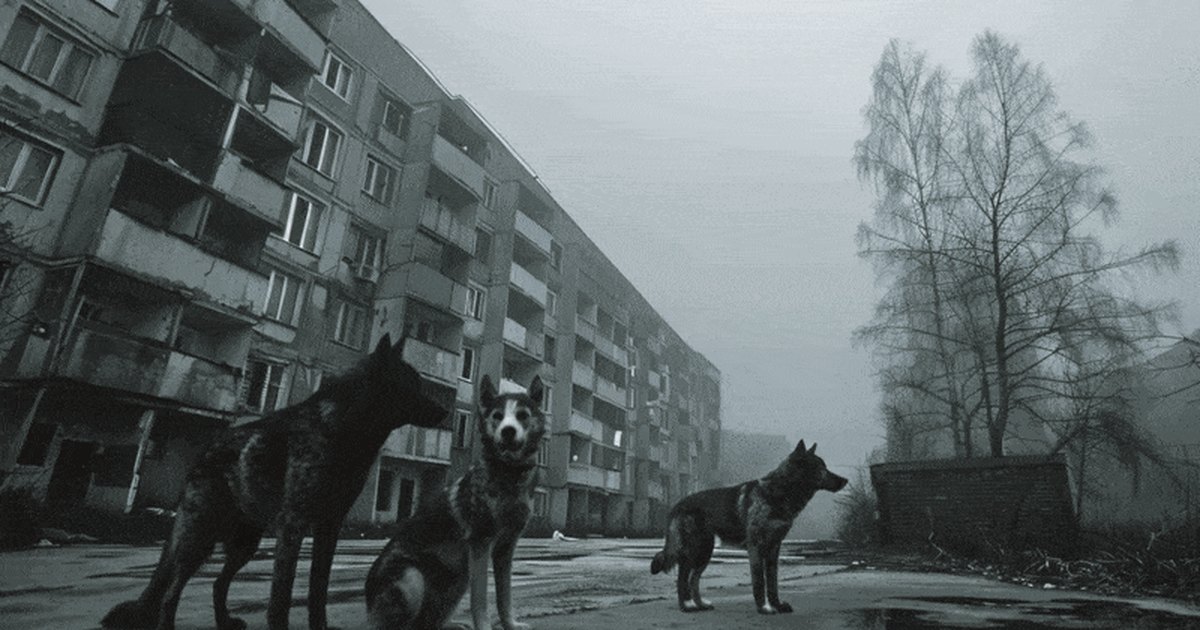
The barracks the town calls Majevica still hold a unit, and every September they open their gates for an Open Day. On the old runway and training ground the state has built 1,972 flats for soldiers, police and intelligence officers, and the town calls the new streets Bezbednjakovo, after the security men. The blocks of Sunčana strana, the Sunny Side, stand where the aircraft took off.
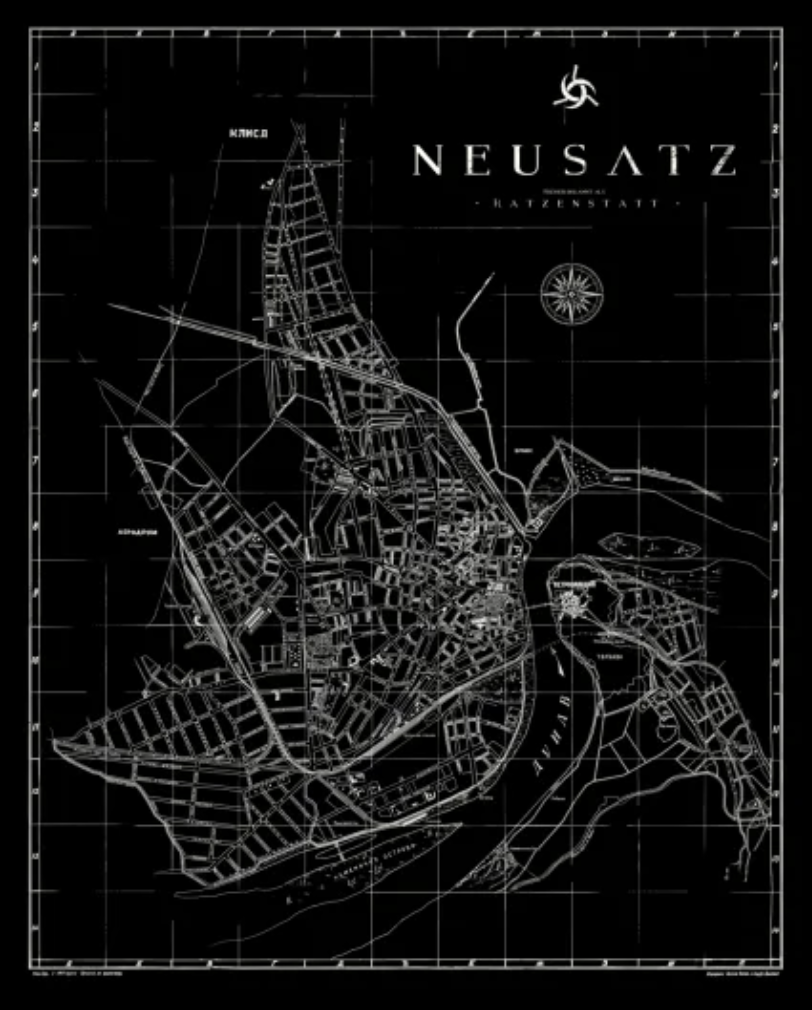
















This is a work of fiction. Any similarity to persons living or dead, or to actual events, is purely coincidental. All Rights Reserved, Created in Neusatz 2026 AD, Propaganda Department