Embedded Files

Peterwardein
Petrovaradin Fortress
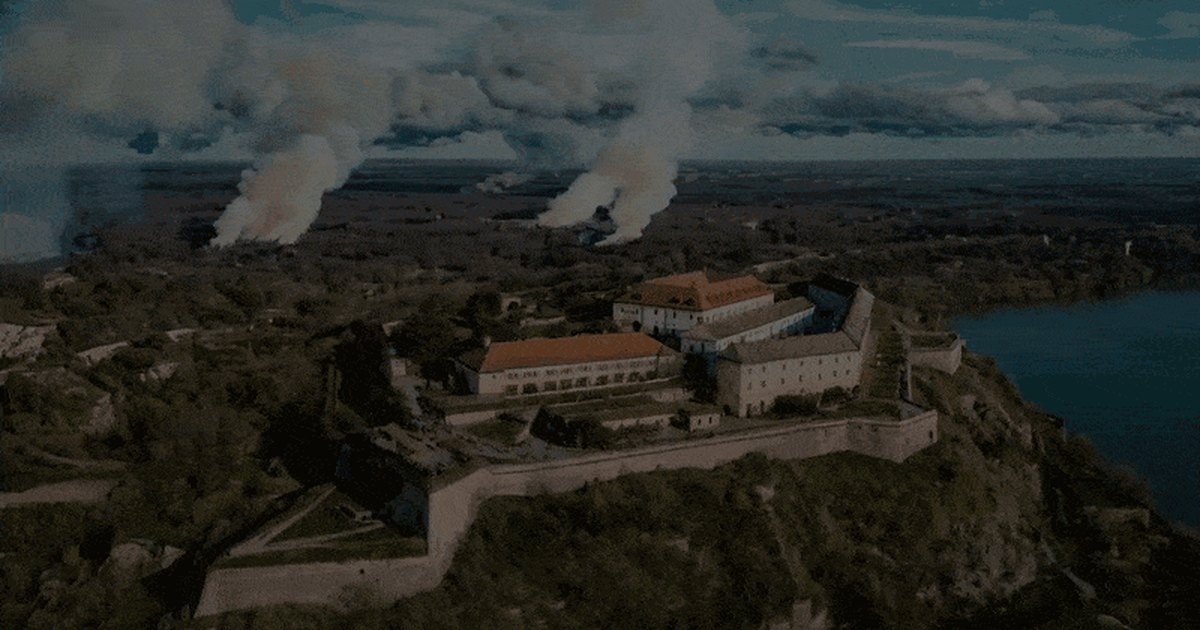
The Petrovaradin Fortress, established in 1692 and harboring a rich tapestry of Paleolithic and Roman remnants beneath its expansive, 16-kilometer tunnel labyrinth, has stood resilient through various epochs, from housing a Cistercian monastery to enduring Ottoman and Austrian sieges, evolving from a military sentinel to a culturally rich emblem that echoes tales of antiquity and resilience in the heart of the Balkans.
In the heart of the Balkans lies the iconic Petrovaradin Fortress, an eternal sentinel of history. Established on a crisp October in 1692 by Charles Eugène de Croÿ, this structure is far more than mere stone and mortar. Beneath its walls stretches a 16-kilometer labyrinth of tunnels, a relic of unparalleled engineering. Petrovaradin's legacy predates even this, with remnants of Paleolithic settlements and the Roman fortress "Cusum" discovered within its confines.
The fortress, throughout its existence, played witness to various historical epochs. In 1235, King Béla IV brought Cistercian monks to raise the Bélakút monastery atop the Roman ruins. The looming Ottoman threat in 1526 saw it besieged and captured, but it stood resiliently. A century and a half later, during the Great Turkish War, Austrian forces reclaimed it, rebuilding it into the architectural marvel we see today.
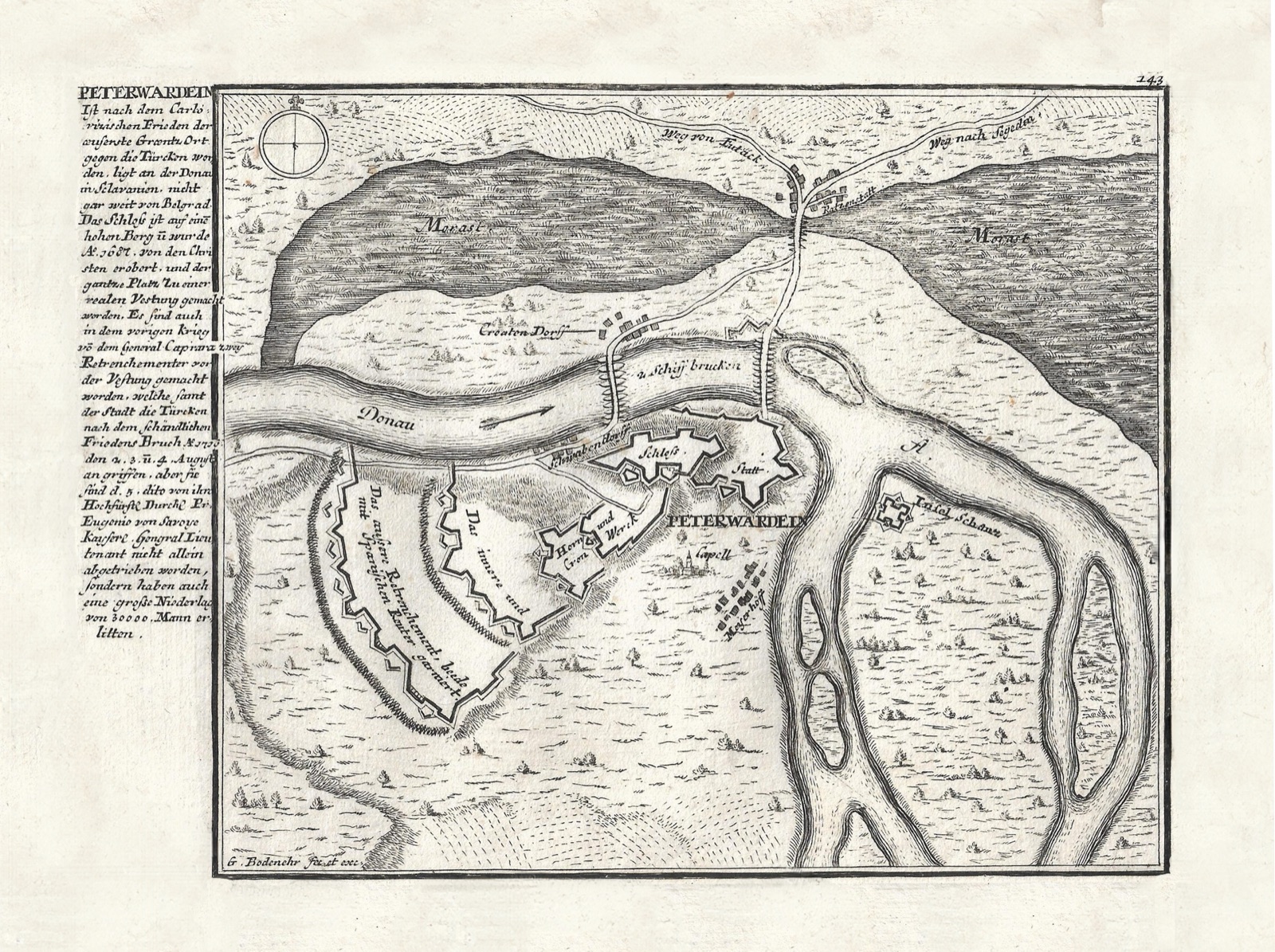
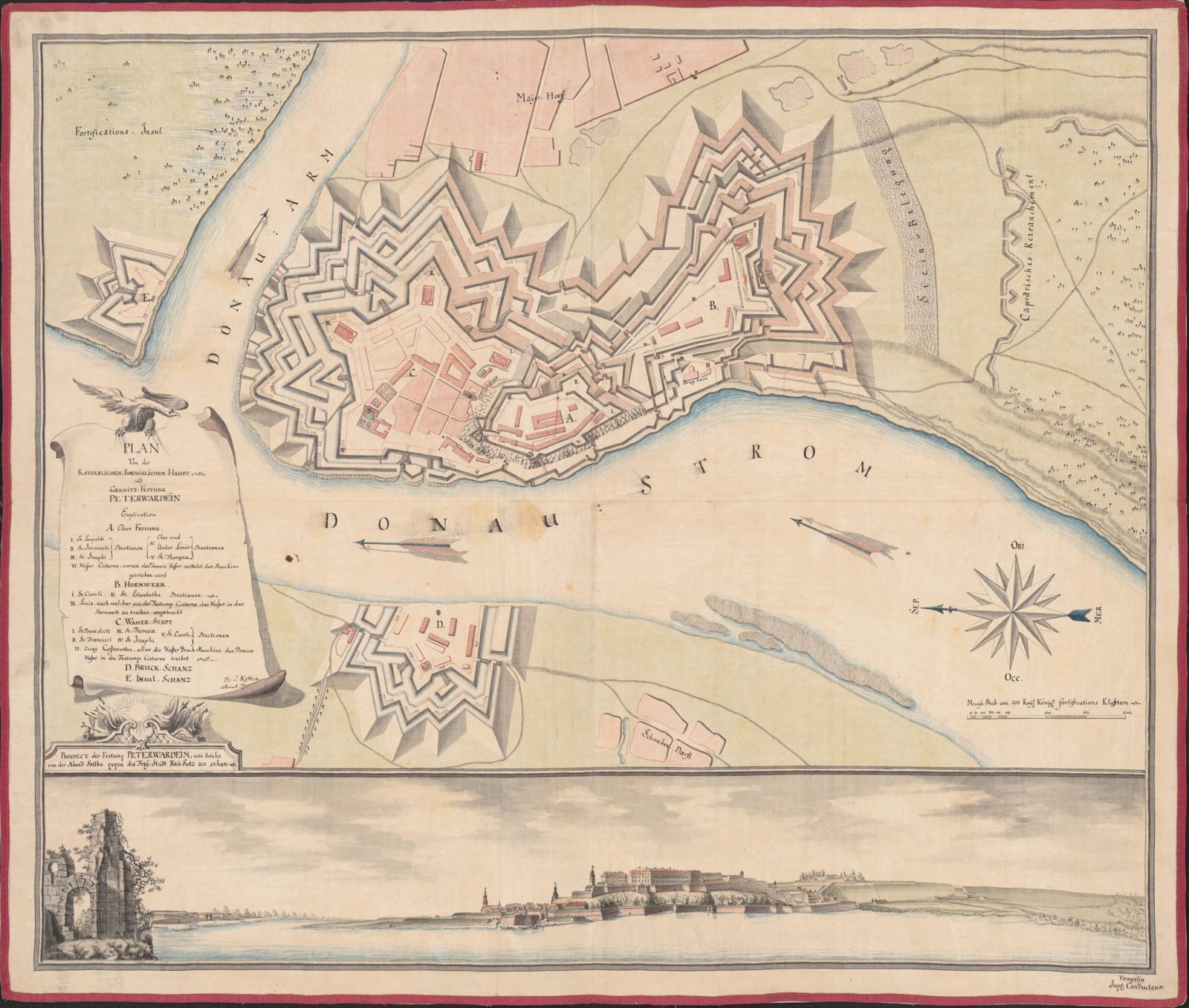
Despite facing sieges and battles, including the significant confrontation of 1716 where Austrian troops thwarted the Turks under Prince Eugene of Savoy's leadership, the fortress's significance never waned. While its military prominence diminished with time, Petrovaradin's cultural and historical essence only grew. It endured, surviving destruction when many of its contemporaries crumbled to ruin.
Now, this monumental relic beckons travelers from distant lands, its storied past resonating in every brick and tunnel. Within its walls echo tales of ancient times, of sieges and monarchies, of resilience and grandeur. The Petrovaradin Fortress remains a reminder of a bygone era and a living testament to humanity's indomitable spirit in the ever-evolving tapestry of the Balkans.
Belafons
The Abbey Under the Star
Before the star fortress, the hill belonged to monks. In the 1230s King Béla IV founded a Cistercian abbey on the confiscated castle and lands of Péter, one of the men who had killed his mother, Queen Gertrude. The monks came from Trois-Fontaines in Champagne, and they named the house for its founder: Bélakút, Béla's well, Belafons in Latin. A charter of 1237 gave it lands in Syrmia and Bács, salt revenue and wine tithes. The Mongols destroyed the first monastery in 1241 and 1242. Its new walls rose between 1247 and 1252, and the later fortress grew out of them.
The fourteenth century left a thin record. Hungarian accounts have King Charles Robert living mostly in the monastery until he made his throne safe in 1308. In 1344 the archbishop of Kalocsa won the pope's leave to move his seat into the fortress, and died the same year. The Black Death reached the Kingdom of Hungary in 1348 and ran through Europe until 1353. What it did on the hill went unrecorded: of the abbey's own charters only the founding one survives, in two copies made in 1385. The next count comes in 1356, when an abbot and twelve monks lived there on an income of 1,340 marks a year.
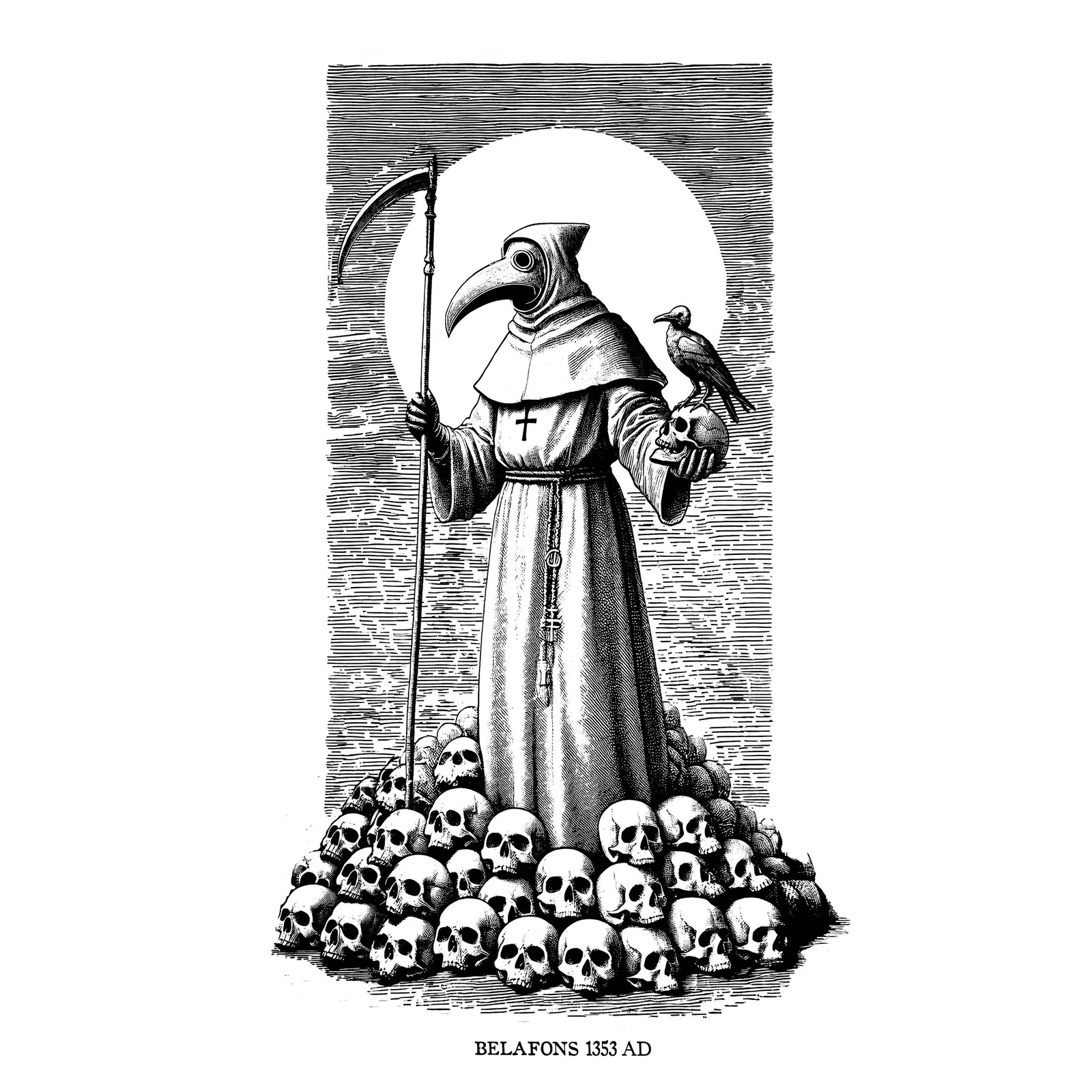
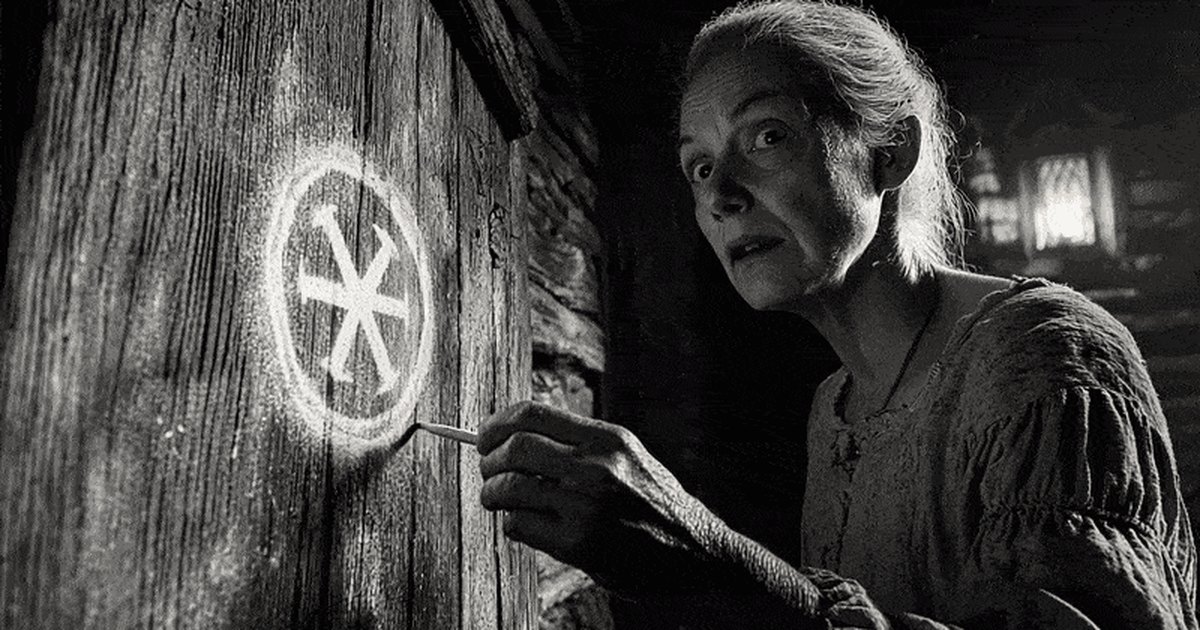
The town fills the gap itself. Some say a doctor in a bird's mask kept the gate in 1353, and death came up the hill and went down again. The beaked mask is first described in 1619, and the story has never let that trouble it. The Ottomans took the fortress in July 1526. Three plans drawn in 1688 still show the abbey's outline on the hill. Four years later the Habsburg engineers began the star fortress, and Belafons went under it.
In the ArchivePetrovaradin FortressIts photographs, maps and postcards, place by place on the Archive's map.Open in the ArchiveOpenFreeMap © OpenMapTiles Data from OpenStreetMap Neusatz Monopoly · Title DeedPeterwardein FortressThe Gibraltar of the Danube, its casemates older than any fortune made below.Rent K35K350Play Neusatz Monopoly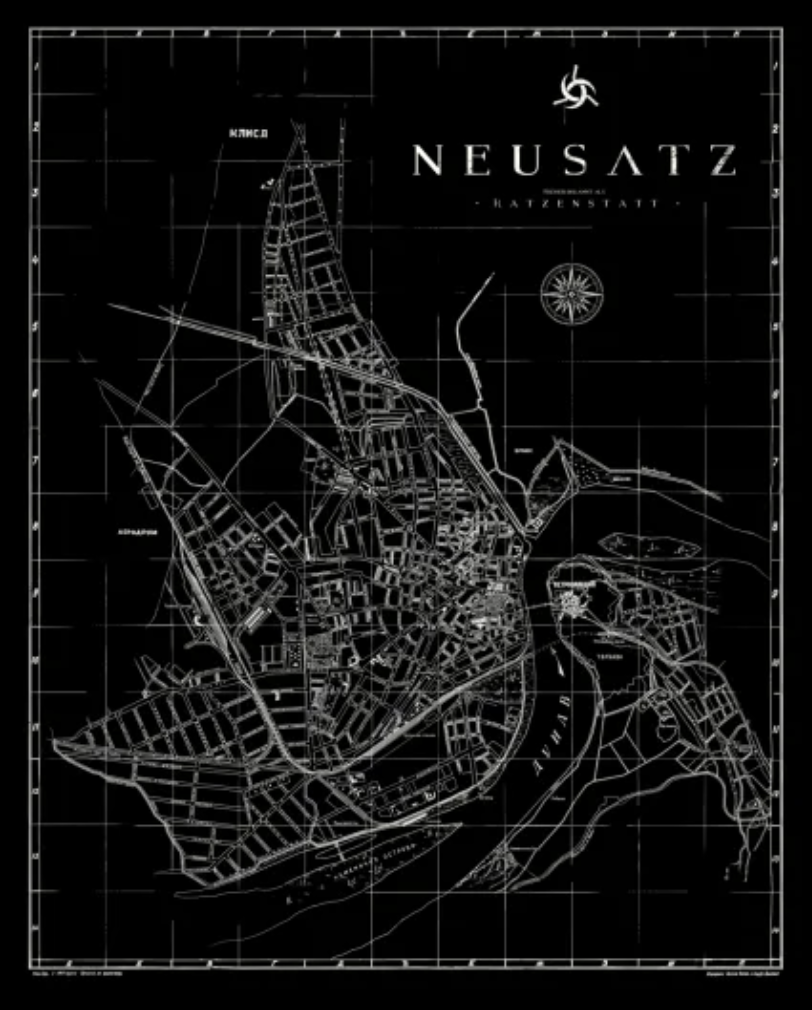






This is a work of fiction. any similarities to persons living or dead, or actual events is purely coincidental. All Rights Reserved, Created in Neusatz 2026 AD, Propaganda Department