Embedded Files

Old Town
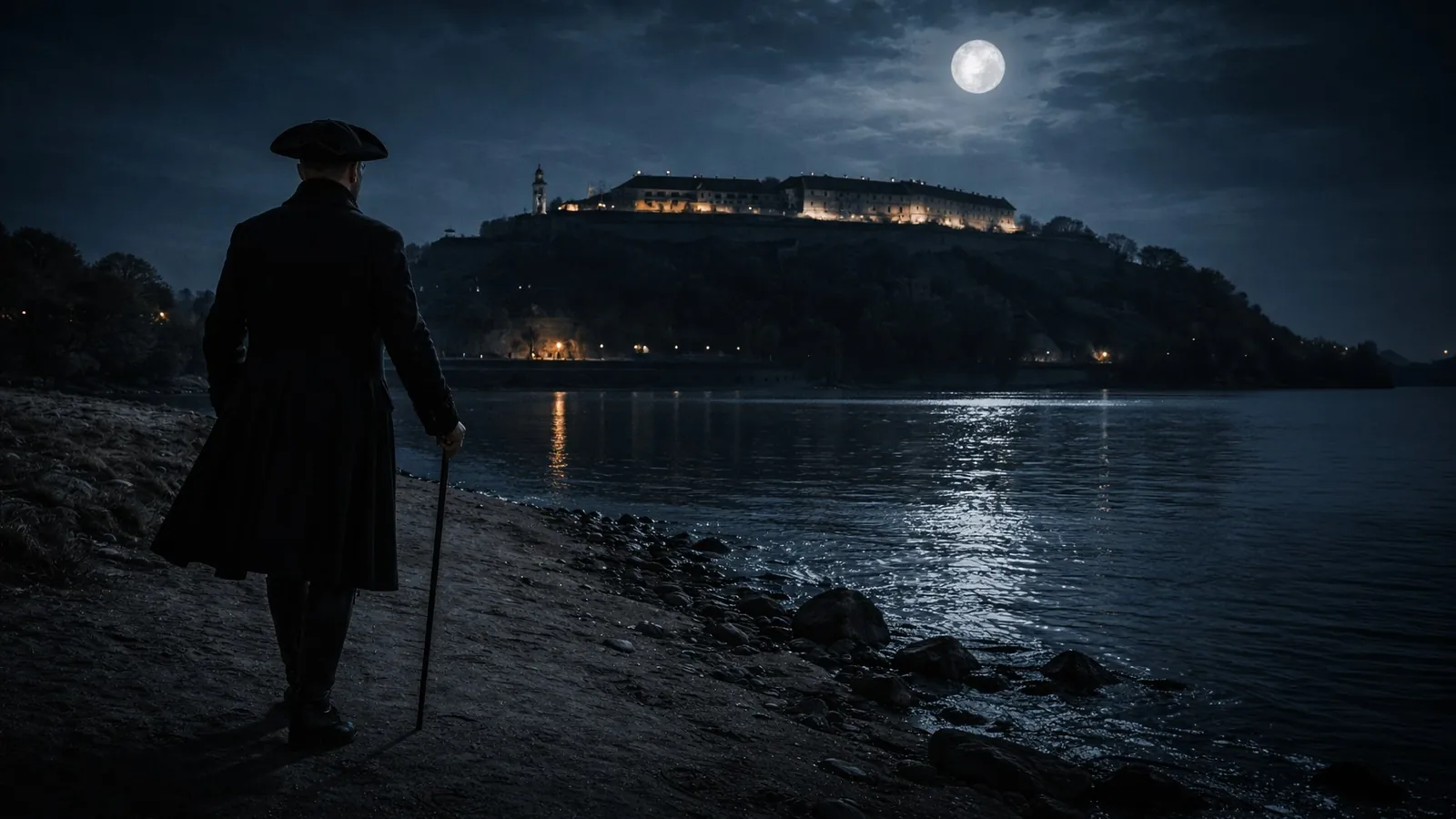
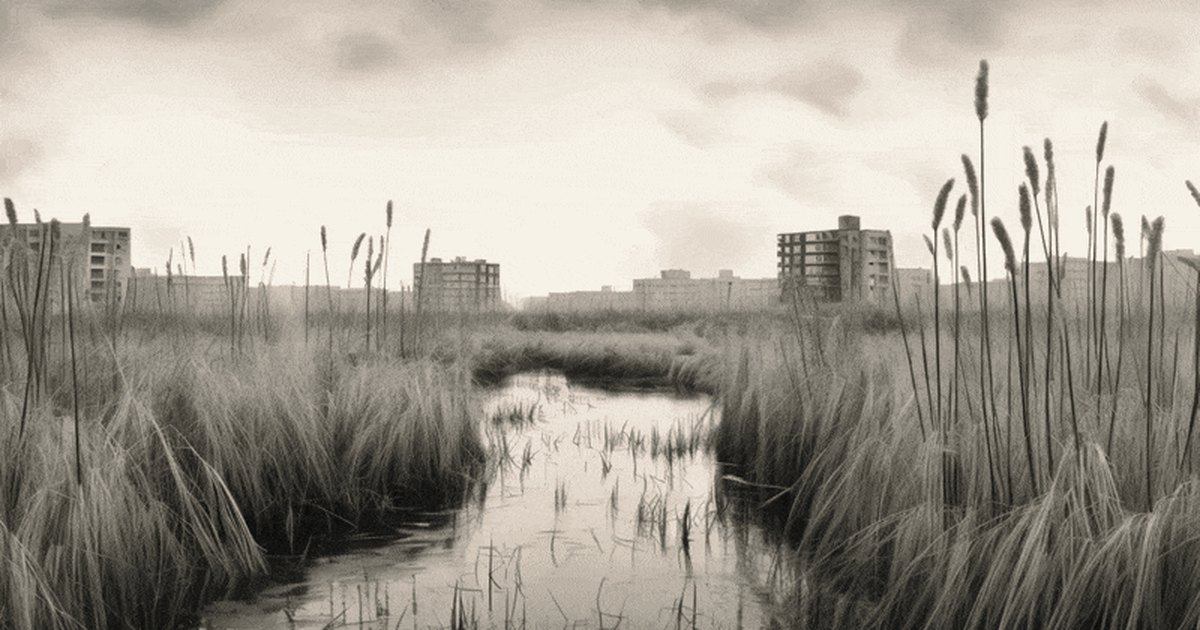
Fear in Rätzenstatt
The witch hunts in Szeged left a haunting legacy over Rätzenstatt, casting fear and suspicion across the fragile peace of its streets
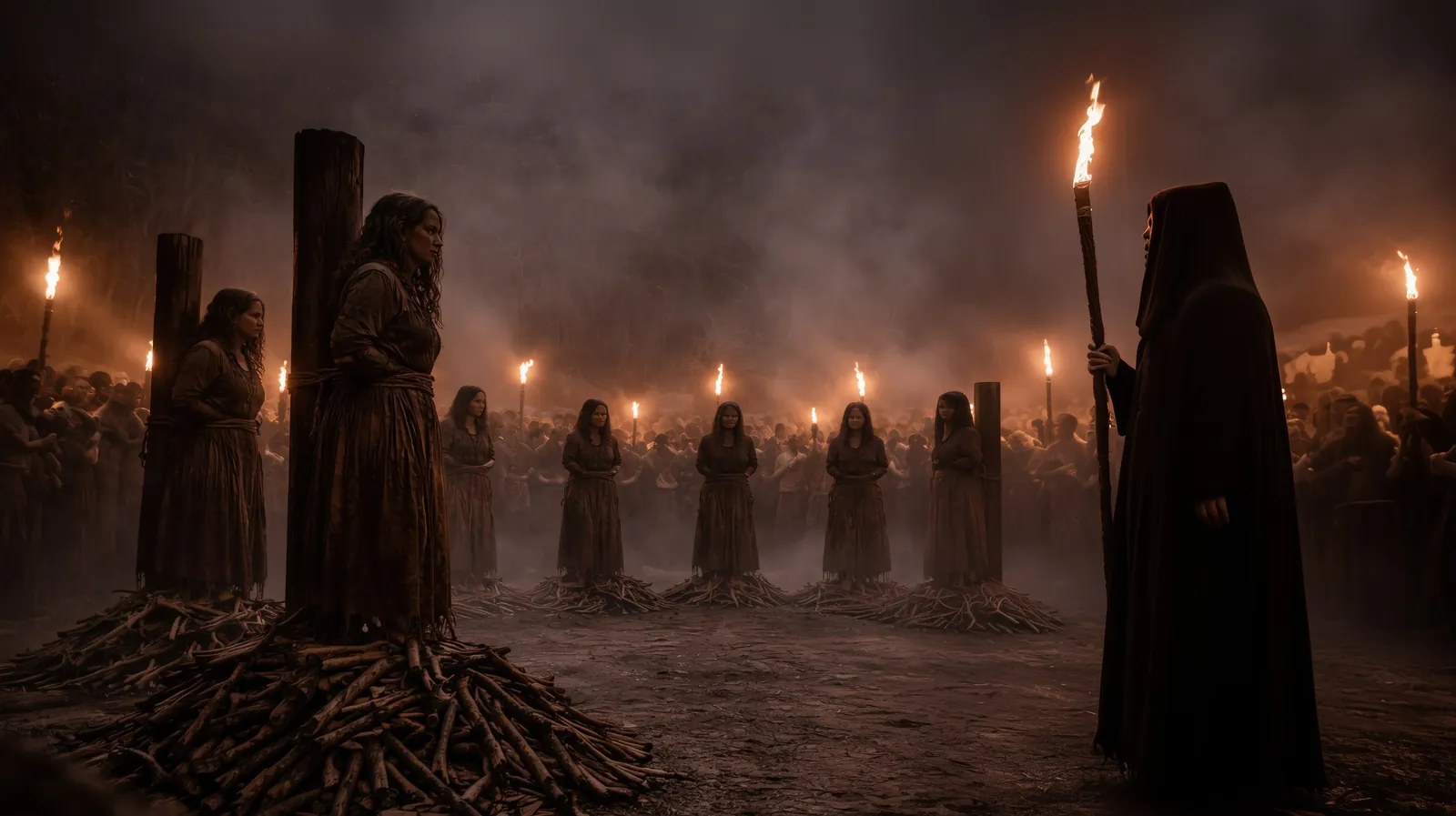
In the summer of 1728, the town of Rätzenstatt, now called Neusatz, was consumed by a growing unease. News of the horrors in Szeged, where thirteen people were burned as witches on July 23rd, had spread quickly. These individuals were accused of making pacts with the Devil and causing the drought that plagued the land. The flames of their execution served as a warning, igniting fear across the region.
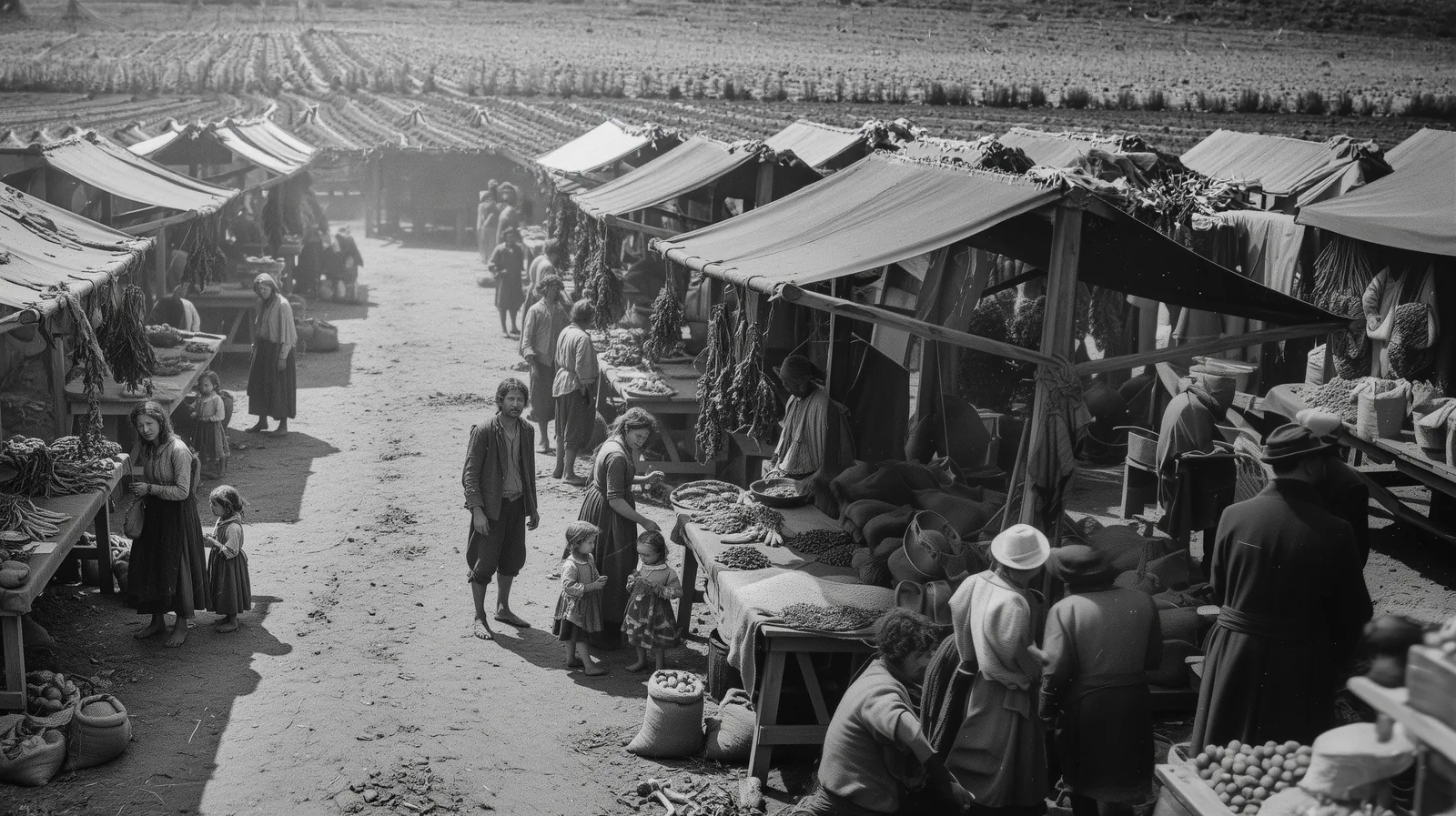
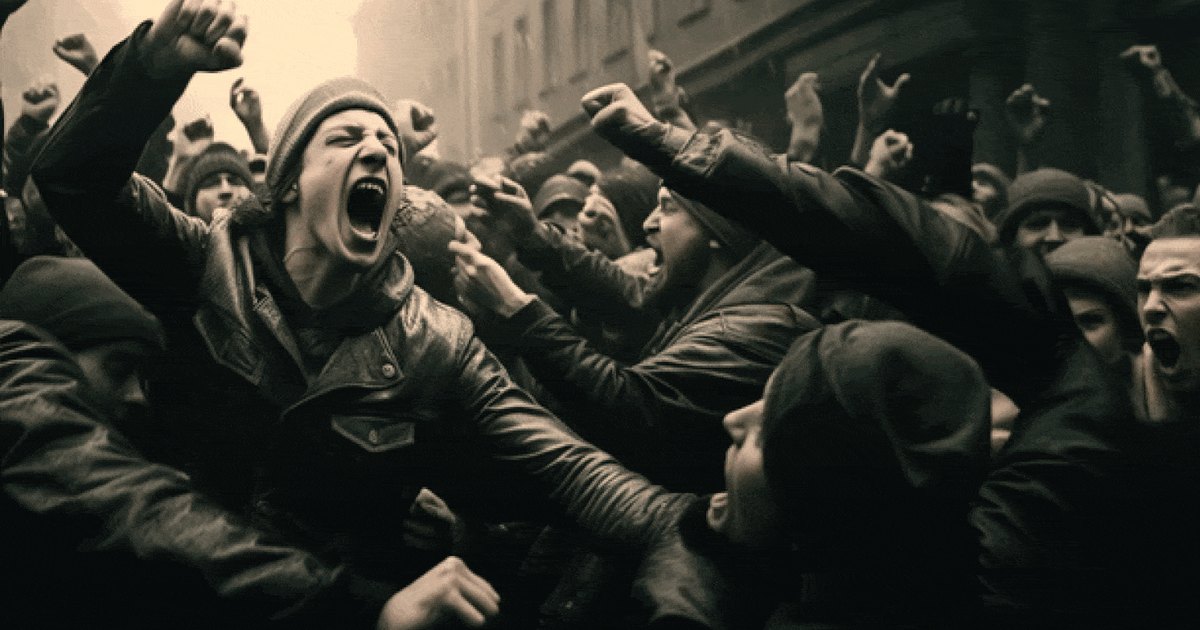
Rätzenstatt, still reeling from the effects of war and instability, felt this fear deeply. Whispers filled its narrow streets, and the townsfolk began to look with suspicion on those they once trusted. Wise-women, known for their healing remedies, suddenly became targets. A poor harvest, an unexplained illness, or even a simple misstep could spark accusations of witchcraft. Fear turned neighbor against neighbor, and suspicion poisoned the air.
The newly reestablished town councils saw the witch trials as an opportunity to assert their power. Backed by the Church, they stoked the flames of paranoia, turning fear into a tool of control. These trials were less about justice and more about reinforcing authority, creating an atmosphere where survival meant staying silent and invisible.
Though Rätzenstatt did not fall into the frenzy of Szeged, the fear left its mark. The streets grew quieter, and people spoke in hushed tones, wary of drawing attention. A careless word or a misplaced glance could lead to ruin. Even as the witch hunts faded with time, the scars they left behind lingered. Memories of crackling flames and shadowy accusations haunted the town.
Over time, the fear subsided, but it never truly disappeared. The people of Rätzenstatt carried it with them, an unspoken reminder of how easily fear can twist into cruelty. The town survived, as Neusatz does today, but its stones still seem to whisper of 1728. These whispers serve as a quiet warning, echoing through the years, about what happens when fear and suspicion take hold.
From the Film
Fear in Rätzenstatt, 2026
Iron Ward
Iron Over the Door
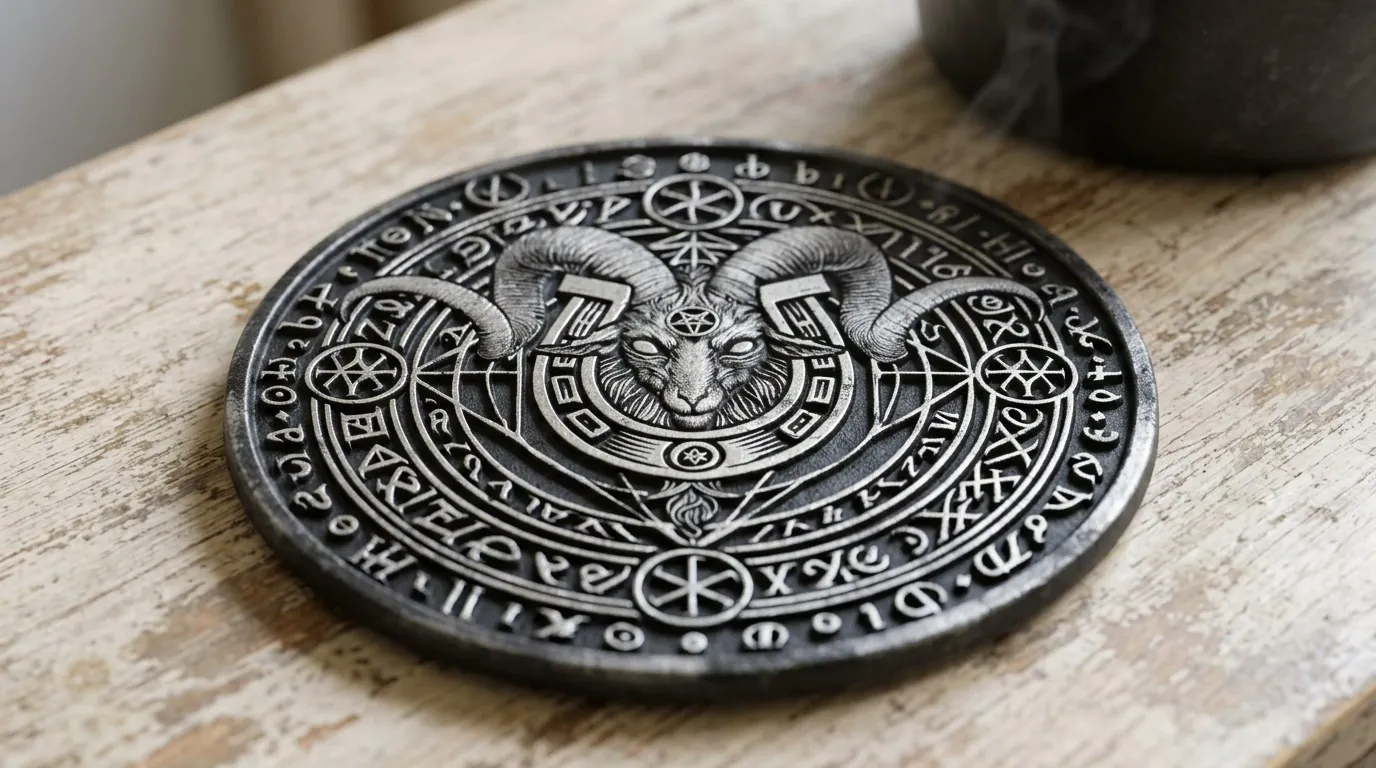
After the burnings in Szeged, Rätzenstatt hung iron over its doors. The ward was a ram's head inside a ring of signs, cast by the smiths of the fortress and nailed above the lintel. The town believed the hunters passed a house that wore one.
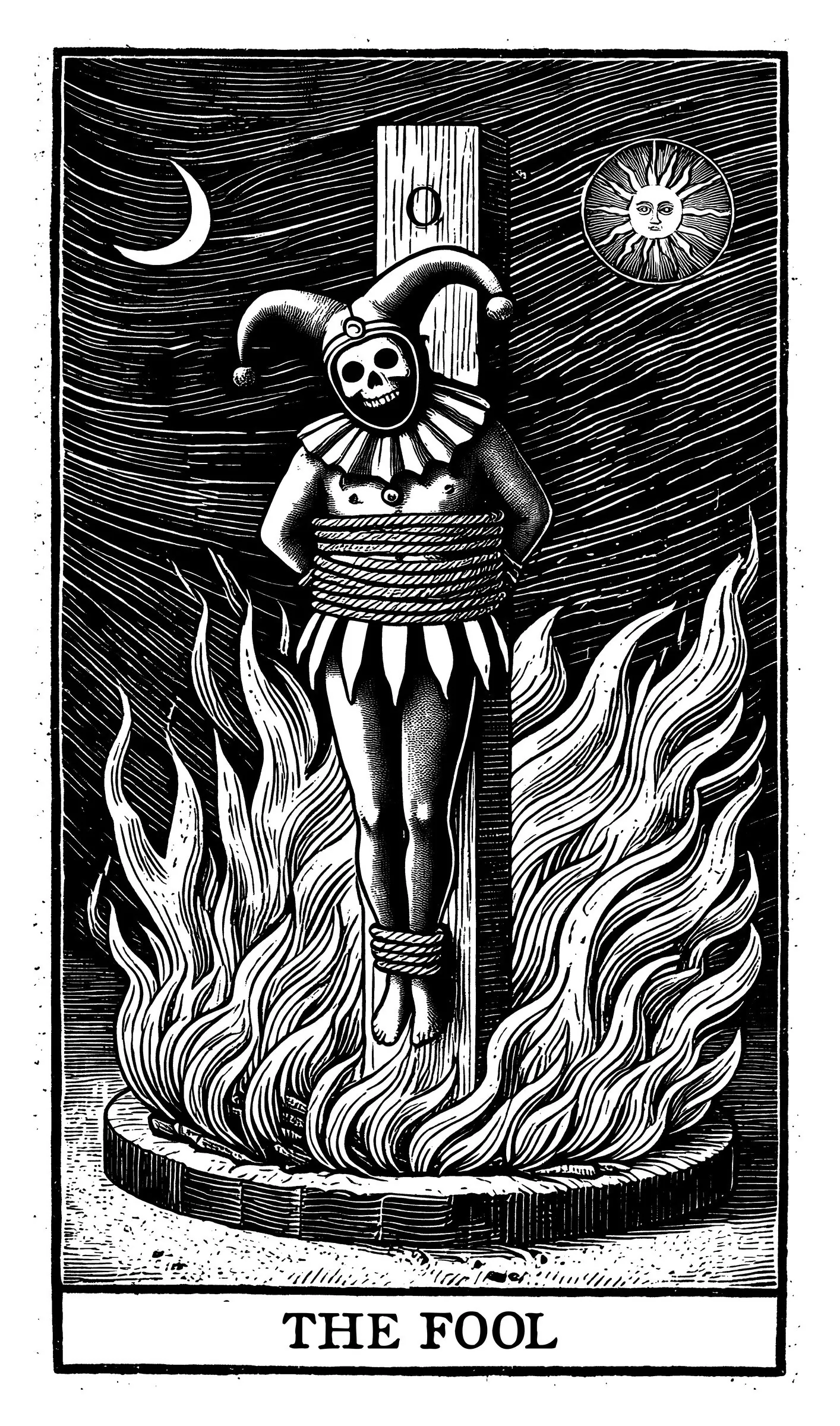
The Fool
The Card Nobody Wanted
The soldiers of Peterwardein brought the tarot across the river, and in the summer of 1728 the town read its fear in the cards. The Fool was the card nobody wanted to draw: the one who laughs while the fire is lit.
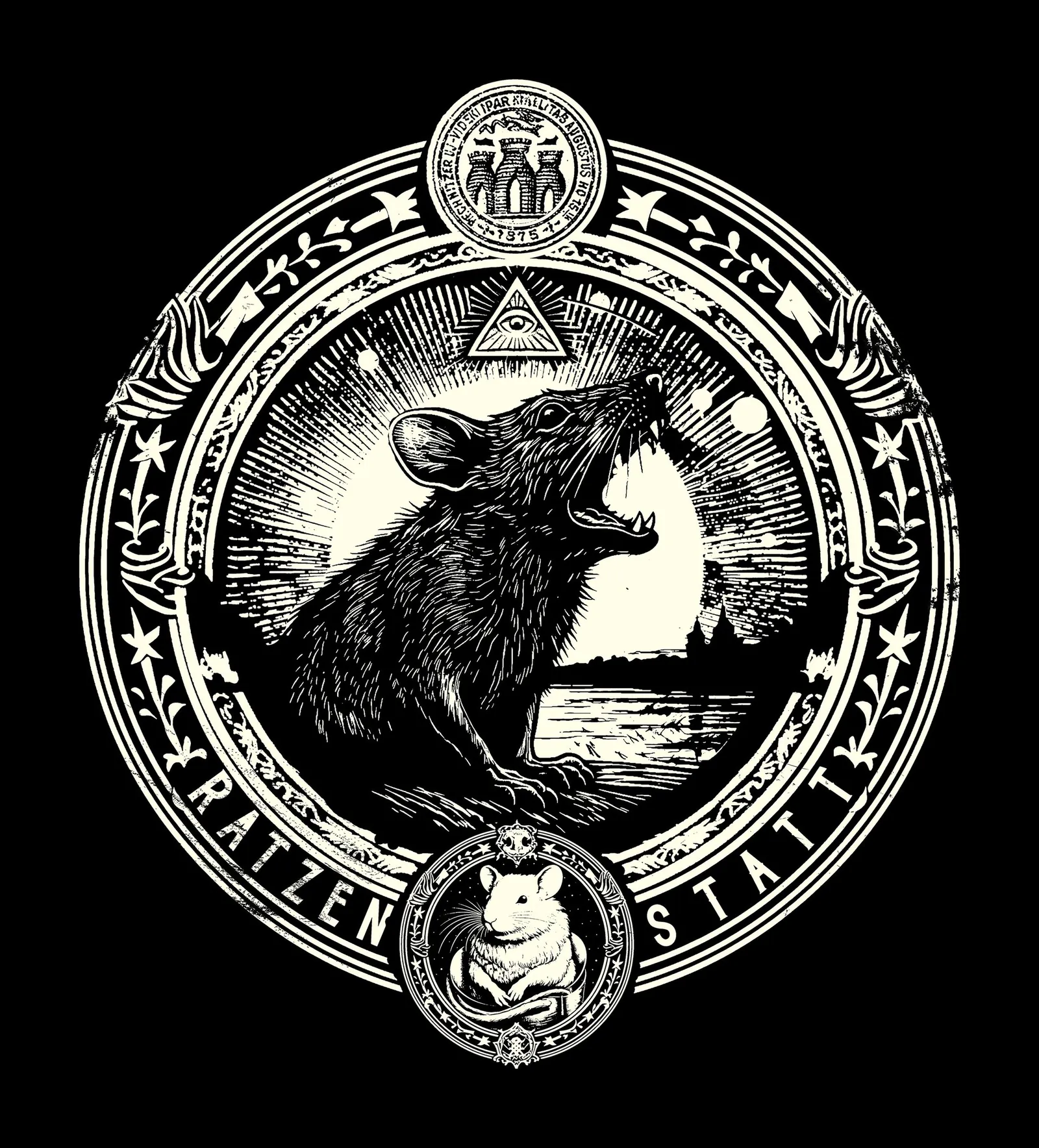
The Rat Seal
Before the Three Towers
Before the empress gave the town its three towers in 1748, Rätzenstatt sealed its papers with a rat. The town says the clerks burned the old seal with the old name, and that the rats of the Trench never forgave them.








This is a work of fiction. any similarities to persons living or dead, or actual events is purely coincidental. All Rights Reserved, Created in Neusatz 2026 AD, Propaganda Department