Embedded Files

State of Liman
Štrand
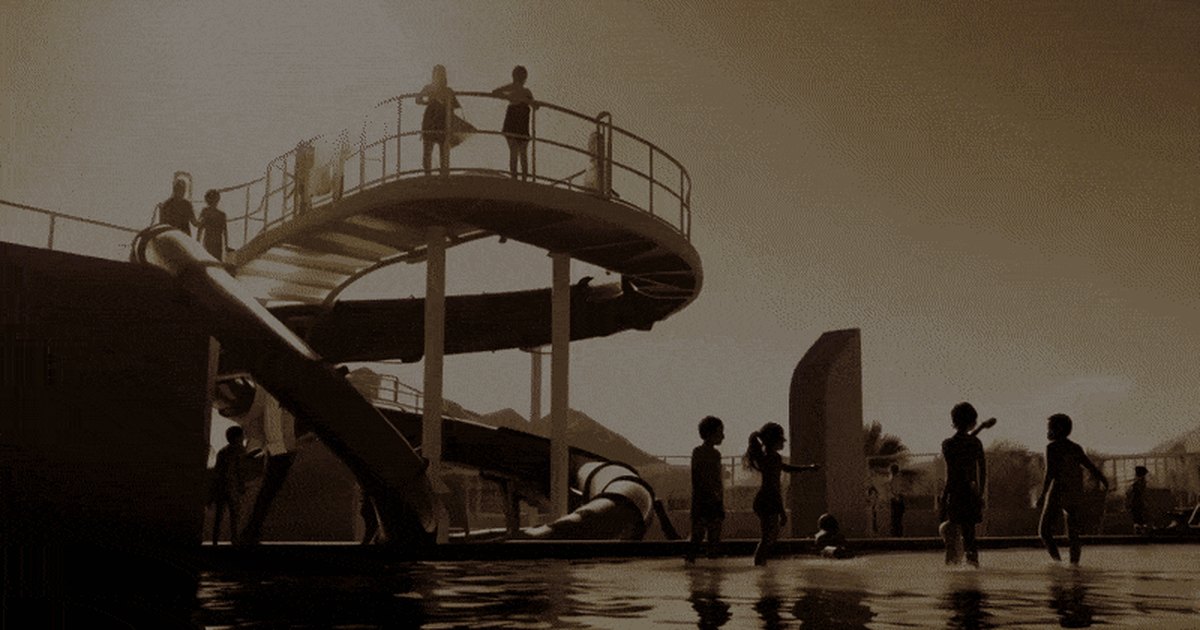
Neusatz's Danube beach since 1911, where generations of children learned to swim and where, in January 1942, Hungarian forces shot Serbian and Jewish civilians at the water's edge.
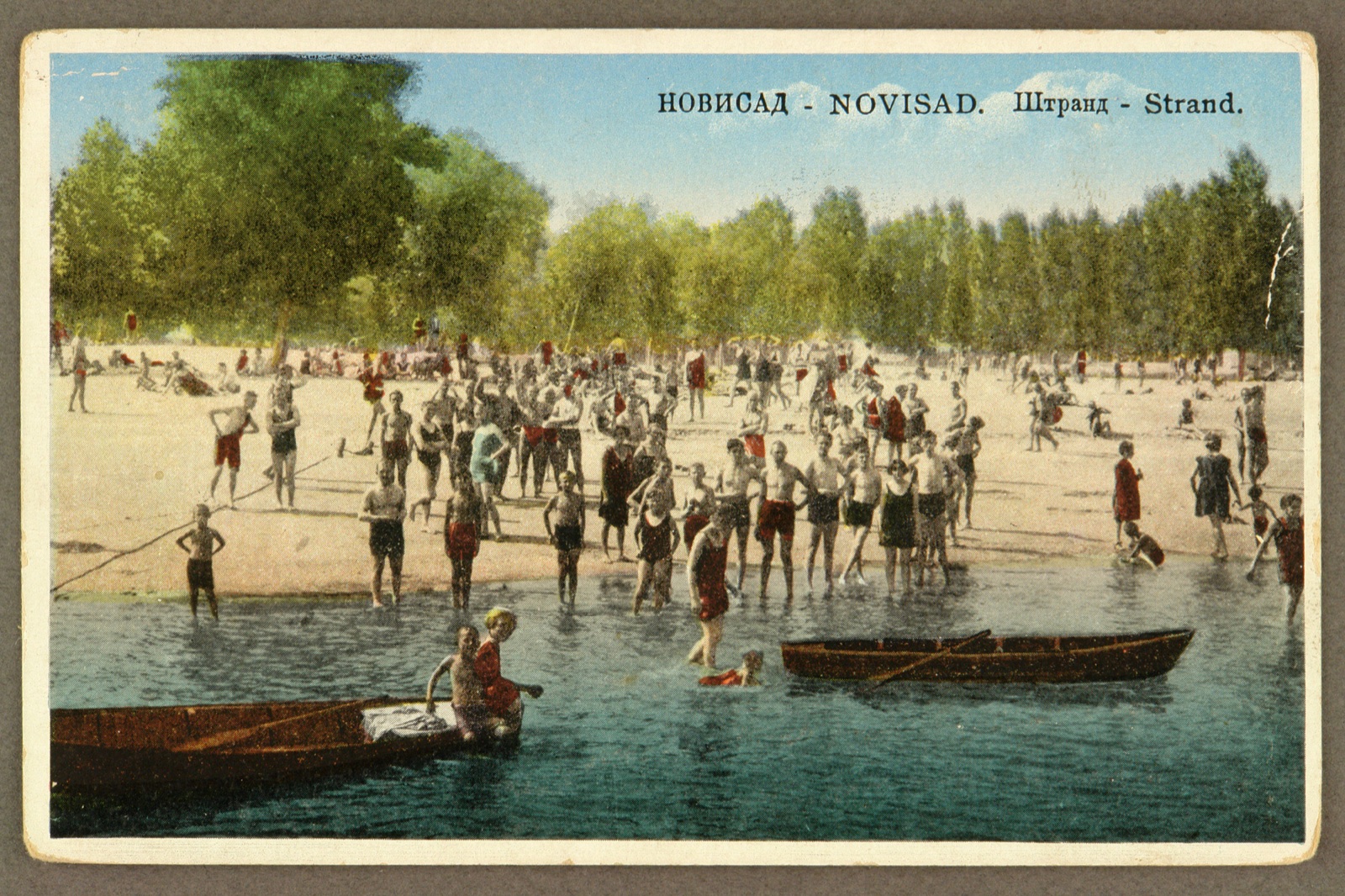
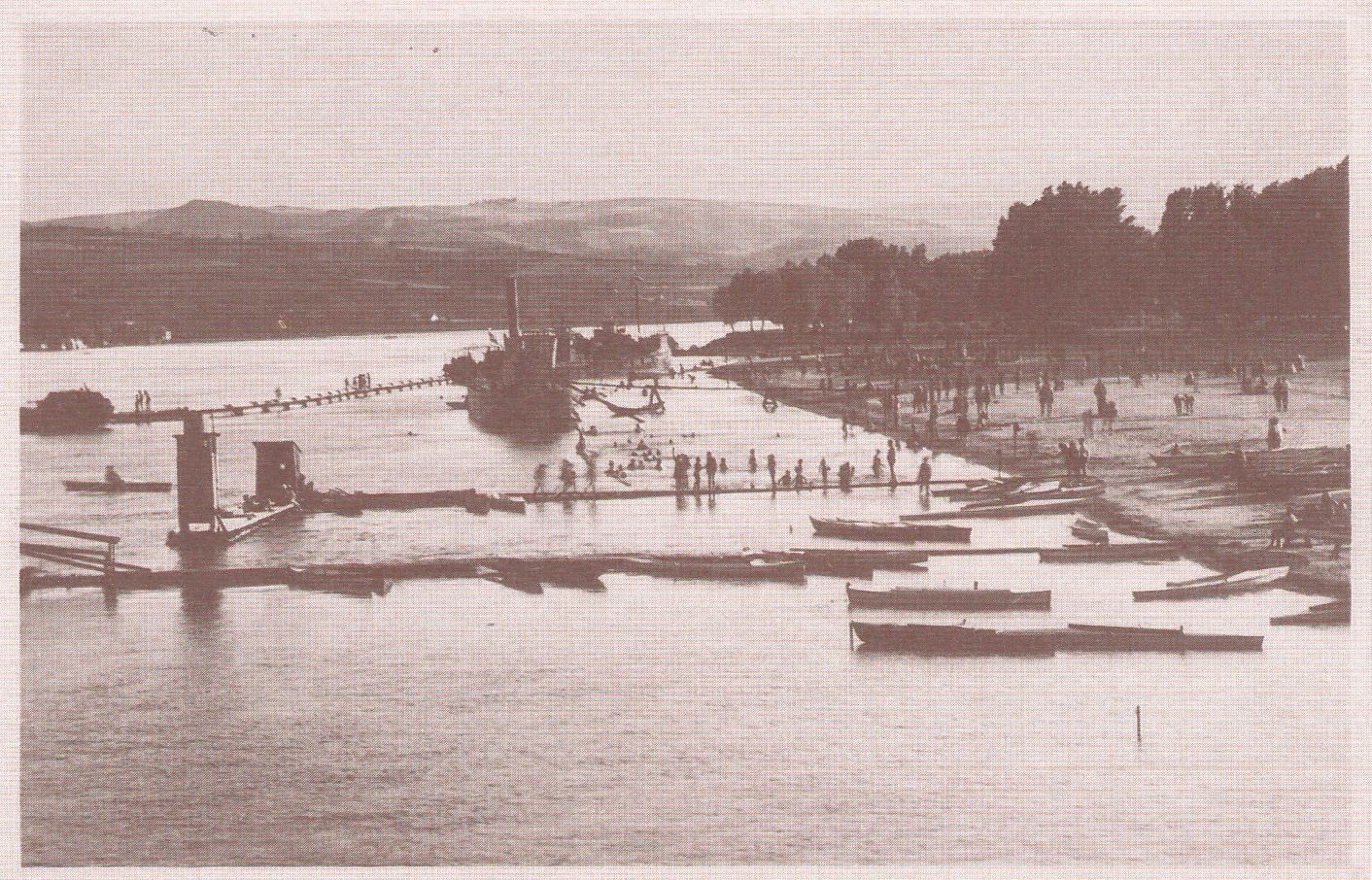
The Štrand takes its name from the German word for beach. It opened in 1911 on Poloj, a sandbar where the town once watered its livestock and where Stengl kept a bathing place, with separate sections for men and women. From 1912 there were lifeguards and swimming lessons.
For the next thirty summers the beach belonged to the children. They jumped from the wooden raft of the Schwimmschule. The fisherman Jakov Rajs rowed bathers across the river and sold them crayfish, with the town's gossip thrown in. The kiosks sold juice and 'Polar' cakes.
In April 1941 Hungary occupied the town, and Neusatz became Újvidék. On 20 January 1942 the army sealed the city and cut its telephone lines. For four days soldiers went through it street by street, arresting Serbs and Jews. The temperature fell to minus 29 degrees. They brought their prisoners to the entrance of the Štrand, shot them at the water's edge and pushed the bodies under the Danube ice. More than a thousand people from the town were killed.
The killing stopped when the city's Lord Lieutenant, László Deák, went to Budapest and came back with an order to end it. His mother was among the dead.
Today more than a million bathers come between May and September. They swim from the same bank.
In the ArchiveŠtrand City BeachIts photographs, maps and postcards, place by place on the Archive's map.Open in the ArchiveOpenFreeMap © OpenMapTiles Data from OpenStreetMap Neusatz Monopoly · Title DeedŠtrandThe city's summer shore, all striped tents and gramophones by the slow green water.Rent K4K60Play Neusatz Monopoly

☩ Explore Neusatz ☩













This is a work of fiction. any similarities to persons living or dead, or actual events is purely coincidental. All Rights Reserved, Created in Neusatz 2026 AD, Propaganda Department