Embedded Files

Kamenitz
Kamenitz Park
A Shadowy Realm Where History Whispers Amongst Ageless Sculptures and Forgotten Paths
The Kamenitz Park, with its classic-style castle constructed in stages between 1797 and 1811, stands as a monumental testament to the vision and ambition of Count István Marczibányi, advisor to Archduchess Maria Theresa of Austria, who acquired the estate in 1758 from Baron Ifelin. The estate's transformation under the stewardship of the Marczibányi and, later, the Karátsonyi families, especially after Countess Mária Marczibányi's marriage to Count Guido Karátsonyi de Beodra, reflects a rich historical narrative that spans across the centuries, culminating in its current appearance in 1834-1836.
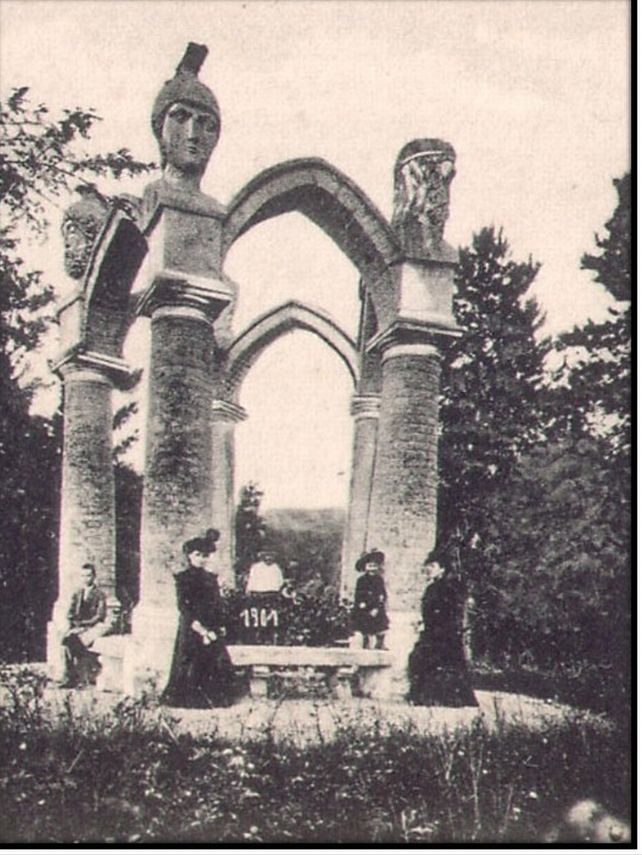
The surrounding English garden, commissioned by Count Karátsonyi, encapsulates the essence of European landscape design with its assortment of global flora, a Danube promenade, manicured paths, and an artificial lake, all adorned with benches, fountains, flower planters, and a collection of enduring sculptures. Among these sculptures are notable works such as the Five Heads on a rose bush, the Pompeian Pillar, the Sphinx, Adam and Eve, and the Reclining Girl, adding layers of artistic depth to the park's natural beauty.
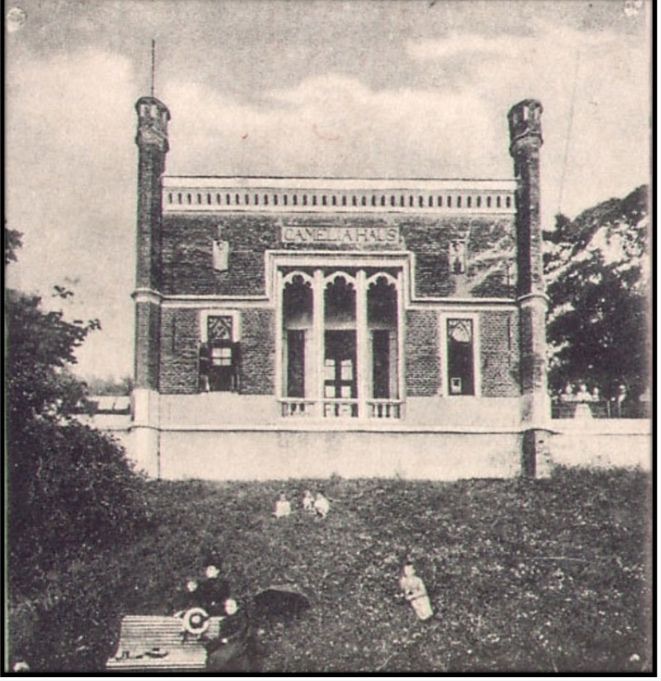
Following World War I, the castle and park entered a new chapter under the ownership of the Kingdom of Serbs, Croats, and Slovenes. The interwar period saw the estate change hands multiple times, leading to a degree of neglect until the Banovina of the Danube prohibited the sale and subdivision of the park, as well as the felling of trees. However, the landscape was altered significantly during World War II with the construction of eight concrete bunkers facing Neusatz.
In the ArchiveKamenicki parkIts photographs, maps and postcards, place by place on the Archive's map.Open in the ArchiveOpenFreeMap © OpenMapTiles Data from OpenStreetMap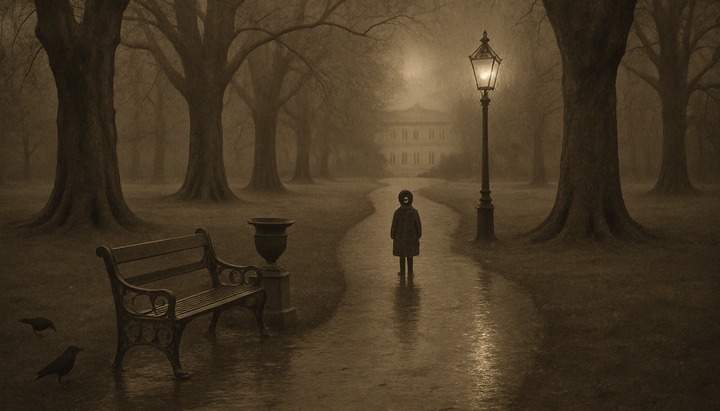 Neusatz Monopoly · Title DeedKamenitzer ParkChestnut walks above Kamenica, where the well-to-do take the evening air.Rent K6K100Play Neusatz Monopoly

☩ Explore Neusatz ☩
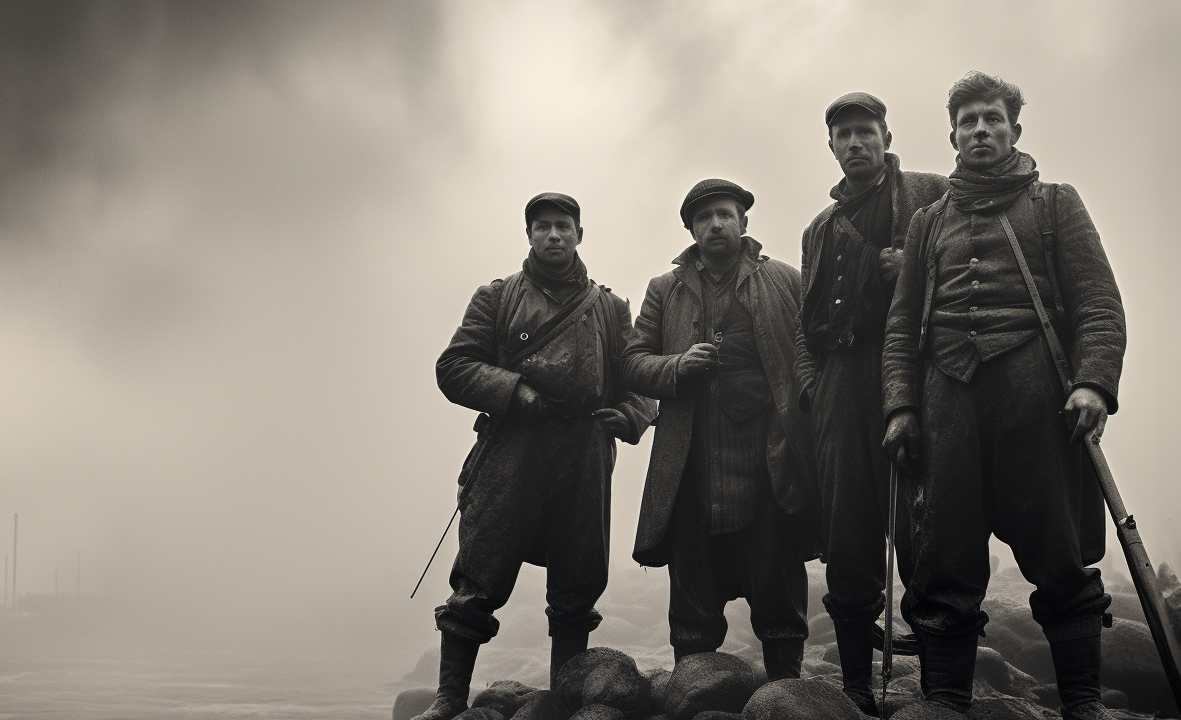 CuriosityCarp's Fisherman SocietyFish stew under the cottonwoods, and the river men who have pulled more than fish from the Danube.
 CrewBoarsKamenitz riders who start their engines at nightfall, named for the boars that swim the Danube.
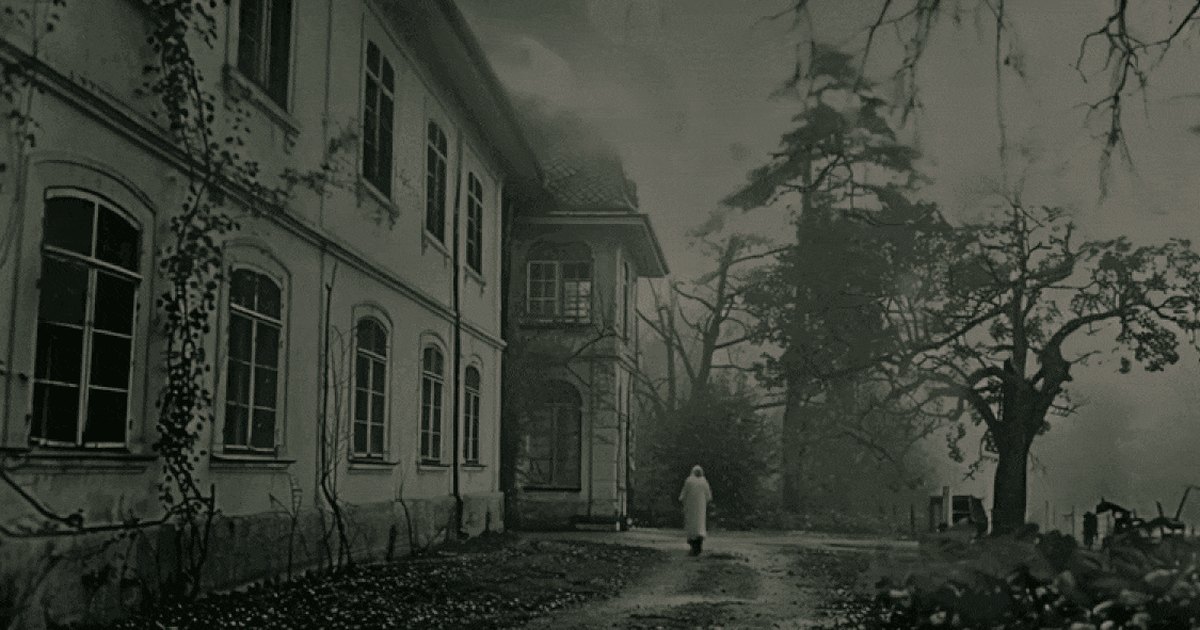 CuriosityMarczibányi - Karátsonyi CastleThe castle of 1797 to 1811 by the Danube, and the builders the river is said to have kept.













This is a work of fiction. any similarities to persons living or dead, or actual events is purely coincidental. All Rights Reserved, Created in Neusatz 2026 AD, Propaganda Department